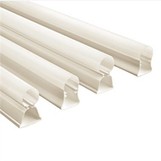

As a supplier of Extruded Linear Lenses, I've been frequently asked whether these lenses can be effectively used in decorative lighting. The answer is a resounding yes, and in this blog, I'll delve into the reasons why extruded linear lenses are a great choice for decorative lighting applications, explore their benefits, and provide some real - world examples.
Understanding Extruded Linear Lenses
Extruded linear lenses are created through an extrusion process, which involves forcing a thermoplastic material through a die to form a continuous, linear shape. These lenses are typically made from materials such as polycarbonate (PC) or acrylic, which offer excellent optical properties, durability, and flexibility in design.


The extrusion process allows for the production of lenses with precise dimensions and consistent optical performance. The lenses can be customized in terms of length, width, thickness, and profile to meet the specific requirements of different lighting applications. For instance, they can have a flat, curved, or prismatic surface, each of which can have a unique effect on the light distribution.
Why Extruded Linear Lenses are Ideal for Decorative Lighting
1. Light Distribution Control
One of the key advantages of extruded linear lenses in decorative lighting is the ability to control light distribution. In decorative lighting, creating a specific mood or visual effect often depends on how the light is spread. Extruded linear lenses can be designed to direct light in a specific direction, such as a narrow beam for highlighting a particular object or a wide - angle spread for general illumination.
For example, in a modern art gallery, a narrow - beam extruded linear lens can be used to focus light on individual art pieces, enhancing their details and creating a dramatic effect. On the other hand, in a restaurant setting, a wide - angle lens can be used to provide a soft, ambient light that makes the space more inviting.
2. Aesthetic Appeal
Extruded linear lenses can add a touch of elegance and sophistication to any lighting design. Their sleek, linear shape can complement contemporary and minimalist interior designs. Moreover, the lenses can be made in different colors and finishes, such as clear, frosted, or tinted, to match the overall aesthetic of the space.
A clear extruded linear lens can create a modern, high - tech look, allowing the light source to shine through with minimal distortion. A frosted lens, on the other hand, diffuses the light, creating a soft, warm glow that is perfect for creating a cozy atmosphere. Tinted lenses can add a splash of color to the lighting, which can be used to create a themed or festive environment.
3. Energy Efficiency
In today's world, energy efficiency is a crucial consideration in lighting design. Extruded linear lenses can help improve the energy efficiency of decorative lighting systems. By controlling the light distribution, these lenses can ensure that the light is directed where it is needed, reducing wasted light and energy consumption.
For example, in a commercial building lobby, an extruded linear lens can be used to direct light towards the entrance area, rather than allowing it to spread evenly throughout the entire space. This targeted lighting approach can reduce the overall wattage required to achieve the desired level of illumination, resulting in energy savings.
4. Durability and Longevity
Decorative lighting fixtures are often exposed to various environmental factors, such as dust, moisture, and temperature changes. Extruded linear lenses made from polycarbonate or acrylic are highly durable and resistant to these elements. They can withstand impact, scratches, and UV radiation, ensuring that the lighting fixtures maintain their appearance and performance over time.
This durability is especially important in outdoor decorative lighting applications, where the lenses may be exposed to harsh weather conditions. For example, in a garden or patio lighting setup, extruded linear lenses can protect the light sources from rain, snow, and sunlight, extending the lifespan of the lighting fixtures.
Real - World Applications of Extruded Linear Lenses in Decorative Lighting
1. Architectural Lighting
In architectural lighting, extruded linear lenses are used to enhance the appearance of buildings and structures. They can be installed along the edges of buildings, on staircases, or in ceiling coves to create a modern and stylish look. For example, a linear lens can be used to highlight the contours of a building's facade, making it stand out at night.
2. Retail Lighting
In retail environments, extruded linear lenses are used to create an inviting and attractive shopping atmosphere. They can be used to highlight product displays, shelves, or signage. For instance, a narrow - beam lens can be used to focus light on a particular product, making it more visible and appealing to customers.
3. Event Lighting
Extruded linear lenses are also popular in event lighting, such as weddings, concerts, and parties. They can be used to create dynamic and colorful lighting effects. For example, tinted lenses can be used to create a rainbow - like effect, adding a festive touch to the event.
Related Products
If you're interested in exploring other products that can complement extruded linear lenses in decorative lighting, we also offer Lampshade PC Diffuser and Plastic Diffuser Lens. These products can further enhance the light diffusion and aesthetic appeal of your lighting design.
Conclusion
In conclusion, extruded linear lenses are an excellent choice for decorative lighting applications. Their ability to control light distribution, add aesthetic appeal, improve energy efficiency, and provide durability makes them a versatile and valuable component in any lighting design. Whether you're an architect, a lighting designer, or a business owner looking to enhance your space, extruded linear lenses can help you achieve your lighting goals.
If you're interested in learning more about our Extruded Linear Lens products or discussing your specific decorative lighting needs, please feel free to contact us. We're always happy to help you find the best solution for your project.
References
- "Lighting Handbook: Reference and Application" by the Illuminating Engineering Society of North America.
- "Optics for Illumination" by Chris D. Hawley.
- "Decorative Lighting Design: Principles and Practice" by various authors in the lighting industry.