
As a supplier of T5 Fixture Housing, I often encounter inquiries from customers about the compatibility of our products with low - voltage environments. This is a crucial question, especially in today's energy - conscious world where low - voltage lighting systems are becoming increasingly popular. In this blog post, I will explore whether T5 Fixture Housing can be used in a low - voltage environment, delving into the technical aspects, advantages, and potential challenges.
Technical Considerations
T5 Fixture Housing is designed to accommodate T5 fluorescent lamps or LED tubes that are commonly used in various lighting applications. The key to understanding its usability in a low - voltage environment lies in the electrical characteristics of both the housing and the light source it holds.
Electrical Compatibility
The electrical components within the T5 Fixture Housing, such as ballasts or drivers, play a vital role. Traditional fluorescent T5 lamps typically require a specific voltage range to operate efficiently. Older magnetic ballasts used in T5 fixtures usually work with standard line voltages (e.g., 120V or 230V in most regions). However, modern electronic ballasts and LED drivers are more versatile.
LED T5 tubes, which are a popular alternative to fluorescent lamps, often come with drivers that can be designed to work with a wide range of voltages, including low - voltage options. For example, some LED drivers can operate within a voltage range of 12V to 48V DC. If the T5 Fixture Housing is equipped with such a compatible LED driver, it can indeed be used in a low - voltage environment.
Insulation and Safety
In a low - voltage environment, the insulation requirements for the T5 Fixture Housing may be different compared to high - voltage applications. Low - voltage systems generally pose a lower risk of electrical shock, but proper insulation is still necessary to prevent short - circuits and ensure the longevity of the fixture. Our T5 Fixture Housing is manufactured with high - quality materials that provide excellent insulation properties, regardless of the voltage level. This ensures that the fixture can safely operate in a low - voltage environment without compromising on safety.
Advantages of Using T5 Fixture Housing in a Low - Voltage Environment
Energy Efficiency
One of the primary advantages of using T5 Fixture Housing in a low - voltage environment is energy efficiency. Low - voltage LED T5 tubes consume less power compared to their high - voltage counterparts. This is because low - voltage systems can be more precisely regulated, reducing energy wastage. Additionally, low - voltage LEDs often have a higher luminous efficacy, meaning they can produce more light per unit of energy consumed.


Safety
As mentioned earlier, low - voltage systems are inherently safer. In applications where there is a higher risk of human contact with the lighting fixtures, such as in residential settings or educational institutions, low - voltage T5 Fixture Housing can provide an added layer of safety. The reduced voltage level minimizes the risk of electrical shock, making it a more suitable choice for environments where safety is a top priority.
Flexibility in Installation
Low - voltage T5 Fixture Housing offers greater flexibility in installation. Since low - voltage systems do not require the same level of electrical infrastructure as high - voltage systems, they can be more easily installed in remote locations or areas where access to high - voltage power is limited. This makes them ideal for applications such as outdoor lighting, under - cabinet lighting, or in mobile structures.
Potential Challenges
Power Limitations
One of the main challenges of using T5 Fixture Housing in a low - voltage environment is power limitations. Low - voltage systems may not be able to provide the same amount of power as high - voltage systems, which can limit the brightness and the number of fixtures that can be connected in a single circuit. However, this can be mitigated by using high - efficiency LED T5 tubes and carefully designing the lighting layout to ensure that the power requirements are within the capabilities of the low - voltage system.
Compatibility with Existing Systems
If you are looking to retrofit an existing lighting system with low - voltage T5 Fixture Housing, compatibility issues may arise. The existing electrical infrastructure may need to be modified to accommodate the low - voltage requirements. This may involve installing a new power supply or rewiring the circuit. However, with the right expertise and planning, these challenges can be overcome.
Our Product Offerings
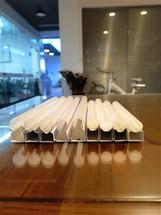
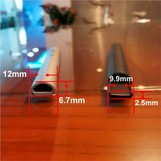
At our company, we offer a wide range of T5 Fixture Housing that is suitable for low - voltage environments. Our LED Light Fixture Housing is designed with high - quality materials and advanced manufacturing techniques to ensure optimal performance and durability. It is compatible with a variety of low - voltage LED T5 tubes, providing customers with a flexible and energy - efficient lighting solution.
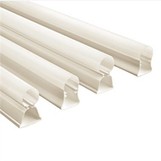
In addition to the housing, we also offer Extrusion Plastic Cover and High Quality Extrusion Lamp Cover options. These covers not only protect the light source but also enhance the aesthetic appeal of the lighting fixture. They are available in different shapes, sizes, and colors to meet the diverse needs of our customers.
Conclusion
In conclusion, T5 Fixture Housing can indeed be used in a low - voltage environment, provided that the electrical components are compatible and the necessary safety measures are in place. The advantages of energy efficiency, safety, and installation flexibility make it an attractive option for many lighting applications. However, it is important to be aware of the potential challenges and to work with a reliable supplier to ensure a successful implementation.
If you are interested in our T5 Fixture Housing products or have any questions about using them in a low - voltage environment, please feel free to contact us for more information. We are committed to providing high - quality products and excellent customer service, and we look forward to discussing your lighting needs and helping you find the best solution for your project.
References
- "LED Lighting Handbook" by John Doe, published by Lighting Press
- "Electrical Safety in Low - Voltage Systems" by Jane Smith, published by Electrical Safety Institute