

As a supplier of T5 tube covers, I often receive inquiries from customers about the reusability of these products. This topic is not only relevant to cost - effectiveness but also to environmental sustainability. In this blog, I will explore whether T5 tube covers can be reused, considering various aspects such as material properties, wear and tear, and practical applications.
Material Properties of T5 Tube Covers
T5 tube covers are typically made from high - quality plastics through processes like extrusion. Plastic Profile Extrusion Companies are well - versed in producing these covers with specific characteristics. The most common materials used are polycarbonate (PC) and acrylic.
Polycarbonate is known for its high impact resistance, optical clarity, and heat resistance. It can withstand significant physical stress without cracking or shattering easily. Acrylic, on the other hand, offers excellent optical properties, high transparency, and good weatherability. These materials are chosen for their ability to protect the T5 tubes while allowing sufficient light transmission.

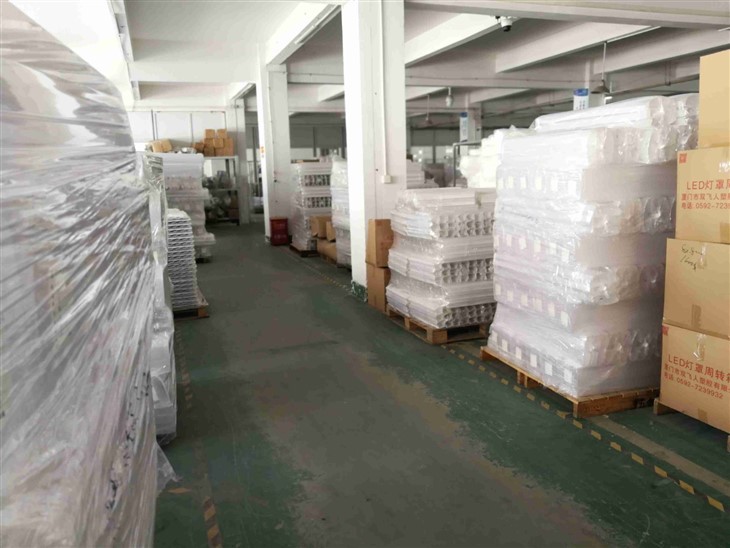
The inherent durability of these plastics suggests that, in theory, T5 tube covers have the potential for reuse. However, this potential is influenced by several factors in real - world scenarios.
Wear and Tear
One of the main considerations when determining the reusability of T5 tube covers is the level of wear and tear they experience over time. In a normal indoor lighting environment, T5 tube covers are mainly exposed to light, heat, and dust. The heat generated by the T5 tubes can cause the covers to expand and contract slightly. If this process occurs repeatedly over a long period, it may lead to some degree of deformation.
Dust accumulation can also affect the appearance and light - transmitting properties of the covers. Although regular cleaning can mitigate this issue, over time, the surface of the cover may become scratched or dulled, reducing its aesthetic appeal and light - diffusion performance.
In industrial or outdoor settings, the situation is more challenging. T5 tube covers may be exposed to harsh weather conditions, such as extreme temperatures, high humidity, and UV radiation. UV radiation, in particular, can cause the plastic to degrade over time, leading to yellowing, brittleness, and reduced mechanical strength. Chemical exposure in industrial environments can also have a negative impact on the covers, causing discoloration or chemical corrosion.
If the wear and tear are minor, such as light dust accumulation or a few small scratches, the covers can often be cleaned and refurbished for reuse. For example, using a mild detergent and a soft cloth to clean the surface can restore the light - transmitting properties to a certain extent. However, if the covers are severely deformed, cracked, or have significant chemical damage, reuse may not be feasible.
Practical Applications and Compatibility
Another factor to consider is the practical application of the T5 tube covers. In some cases, the covers are designed for specific lighting fixtures or installation requirements. When reusing the covers, it is essential to ensure that they are still compatible with the existing fixtures.
For example, if the covers are used in a modular lighting system, the dimensions and connection mechanisms need to match precisely. Any deformation or damage to the covers may prevent them from fitting properly, which can lead to safety issues or poor lighting performance.
Moreover, different lighting applications may have different requirements for light diffusion and color temperature. If the covers have been used in an application with specific lighting needs and are then reused in a different setting, they may not provide the desired lighting effect.
Refurbishment and Reconditioning
To increase the chances of reusing T5 tube covers, refurbishment and reconditioning processes can be employed. Cleaning is the most basic step. As mentioned earlier, a mild detergent and a soft cloth can be used to remove dust and dirt. For more stubborn stains, specialized plastic cleaners may be required.
In addition to cleaning, surface treatment can be carried out to restore the optical properties of the covers. For example, polishing can be used to remove minor scratches and improve the surface smoothness, enhancing light transmission and diffusion.
If the covers have suffered from minor deformation, heat - shaping techniques can sometimes be used to restore their original shape. However, this requires careful control of the temperature and pressure to avoid further damage to the plastic.
Environmental and Economic Benefits of Reuse
From an environmental perspective, reusing T5 tube covers is a sustainable practice. It reduces the amount of plastic waste sent to landfills, conserving natural resources and reducing the energy consumption associated with the production of new covers.
Economically, reusing T5 tube covers can result in significant cost savings for customers. Instead of purchasing new covers, they can invest in the refurbishment process, which is generally less expensive. This cost - effectiveness can be particularly attractive for large - scale lighting projects, such as commercial buildings or industrial facilities.
Comparison with Other Tube Covers
It is also interesting to compare the reusability of T5 tube covers with other types of tube covers, such as T8 Tube Cover. T8 tube covers are larger in size and are often used in different lighting applications.
Similar to T5 tube covers, T8 tube covers are also made of plastics, and their reusability is affected by wear and tear, environmental factors, and compatibility issues. However, due to their larger size, they may be more prone to deformation during handling and installation.
T8 Tube Cover also have different light - distribution requirements, which may influence the decision to reuse them. In general, the principles for determining reusability are similar, but the specific conditions and challenges may vary.
Conclusion
In conclusion, T5 tube covers can potentially be reused, but this depends on a variety of factors. The material properties of the covers provide a good foundation for reuse, but wear and tear, practical applications, and compatibility issues need to be carefully evaluated.
Refurbishment and reconditioning processes can extend the lifespan of T5 tube covers and increase their chances of being reused. From an environmental and economic perspective, reusing these covers is a beneficial practice.
If you are considering the reuse of T5 tube covers or are interested in purchasing high - quality Plastic Light Cover for your lighting projects, I encourage you to contact us for further discussion. We can provide professional advice on the reusability of our products and offer solutions tailored to your specific needs.
References
- "Plastic Materials Science and Engineering" - A comprehensive textbook on the properties and applications of plastics.
- Industry reports on lighting fixture components and their durability.
- Research papers on the environmental impact of plastic waste reduction in the lighting industry.


