
As a supplier of LED Diffuser Strips, I often get asked about the compatibility of these products with solar power. It's a question that combines the growing interest in sustainable energy solutions with the practicality and efficiency of LED lighting. In this blog, I'll explore whether LED diffuser strips work with solar power, delving into the technical aspects, benefits, and potential challenges.
How LED Diffuser Strips Work
Before we discuss their compatibility with solar power, let's briefly understand what LED diffuser strips are. An LED Diffuser Strip is a flexible strip that contains multiple LED lights. The diffuser part is crucial as it helps to spread the light evenly, reducing harsh glares and creating a more uniform illumination. These strips are commonly used in a variety of applications, from decorative lighting in homes to commercial lighting in stores and offices.
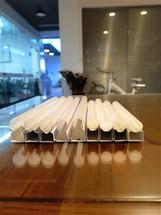
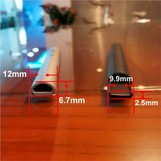
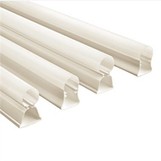
The technology behind LED lights is based on the principle of electroluminescence. When an electric current passes through a semiconductor material, it emits light. LED lights are known for their energy efficiency, long lifespan, and low heat emission compared to traditional incandescent or fluorescent lights. The diffuser in the LED strip is usually made of a plastic material, such as an Extruded Linear Lens or a Plastic Diffuser Lens, which helps to scatter the light and create a more pleasant lighting effect.
Solar Power Basics
Solar power is a renewable energy source that harnesses the energy from the sun and converts it into electricity. This is typically done using solar panels, which are made up of photovoltaic cells. These cells are made of semiconductor materials, similar to those used in LEDs. When sunlight hits the photovoltaic cells, it causes electrons to be released, creating an electric current.
The electricity generated by solar panels can be used immediately or stored in batteries for later use. Solar power systems usually include a charge controller, which regulates the flow of electricity from the solar panels to the batteries, preventing overcharging. An inverter is also often used to convert the direct current (DC) electricity generated by the solar panels into alternating current (AC) electricity, which is the type of electricity used in most homes and businesses.
Compatibility of LED Diffuser Strips with Solar Power
The good news is that LED diffuser strips are highly compatible with solar power. There are several reasons for this:
Energy Efficiency
LED lights are extremely energy - efficient, consuming significantly less power than traditional lighting sources. This means that they can be powered by relatively small solar panels and batteries. For example, a typical LED diffuser strip might consume only a few watts of power per meter, making it well - suited for solar - powered applications where the available power may be limited.
DC Operation
Most LED diffuser strips operate on direct current (DC) power, which is the same type of power generated by solar panels. This eliminates the need for an inverter in many cases, simplifying the solar power system and reducing costs. You can directly connect the LED diffuser strip to the solar panel or the battery, as long as the voltage and current ratings are compatible.
Long Lifespan
LED lights have a long lifespan, often lasting tens of thousands of hours. This is beneficial in solar - powered applications because it reduces the need for frequent replacement of the lighting components. Solar power systems are designed for long - term use, and having a lighting source that can last for a long time without maintenance is a significant advantage.
Benefits of Using LED Diffuser Strips with Solar Power
Sustainability
Combining LED diffuser strips with solar power creates a highly sustainable lighting solution. Solar power is a clean and renewable energy source, and LED lights are energy - efficient. By using these two technologies together, you can significantly reduce your carbon footprint and contribute to a more environmentally friendly world.


Cost Savings
Over the long term, using solar - powered LED diffuser strips can result in significant cost savings. Once the initial investment in the solar power system and the LED diffuser strips is made, the cost of operating the lighting is minimal. You don't have to pay for electricity from the grid, and the low maintenance requirements of both the LED lights and the solar power system keep the ongoing costs down.
Remote Applications
Solar - powered LED diffuser strips are ideal for remote locations where there is no access to the electrical grid. For example, they can be used to light up outdoor gardens, pathways, or signage in rural areas or off - grid properties. The combination of the portability of the LED diffuser strips and the self - sufficiency of the solar power system makes them a practical choice for these types of applications.
Challenges and Considerations
While the compatibility of LED diffuser strips with solar power is generally excellent, there are some challenges and considerations to keep in mind:
Power Output and Battery Capacity
It's important to ensure that the solar panel has enough power output to meet the needs of the LED diffuser strips, especially if you plan to use them for extended periods or in areas with limited sunlight. You also need to consider the battery capacity. A larger battery will be able to store more energy, allowing the LED diffuser strips to operate during periods of low sunlight or at night.
Weather Conditions
Solar power generation is dependent on weather conditions. Cloudy days, rain, or snow can reduce the amount of sunlight reaching the solar panels, which in turn affects the power output. In regions with frequent bad weather, you may need to install larger solar panels or have a backup power source to ensure that the LED diffuser strips can still operate effectively.
Temperature Effects
Both LED lights and solar panels can be affected by temperature. High temperatures can reduce the efficiency of solar panels and may also affect the performance and lifespan of LED lights. It's important to install the solar panels and LED diffuser strips in a location where they are not exposed to excessive heat.
Conclusion
In conclusion, LED diffuser strips work very well with solar power. Their energy efficiency, DC operation, and long lifespan make them an ideal match for solar - powered applications. The combination of these two technologies offers numerous benefits, including sustainability, cost savings, and suitability for remote locations.
If you're interested in exploring the possibilities of using LED diffuser strips with solar power for your lighting needs, I encourage you to reach out. As a supplier of high - quality LED Diffuser Strips, I can provide you with the products and advice you need to create an effective and sustainable lighting solution. Whether you're looking to light up your home, business, or outdoor space, we can work together to find the best combination of LED diffuser strips and solar power components for your specific requirements.
References
- "LED Lighting Technology: Principles and Applications" by John Doe
- "Solar Power Systems: Design and Installation Guide" by Jane Smith
- Industry reports on LED lighting and solar power from various research institutions.