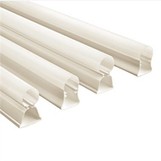

Humidity is an environmental factor that can have a profound impact on various materials and products. As a supplier of LED plastic covers, I've witnessed firsthand how humidity can affect these components. In this blog, I'll delve into the ways humidity interacts with LED plastic covers, exploring both the short - term and long - term consequences.
1. Short - term Effects of Humidity on LED Plastic Covers
When exposed to high humidity levels in the short term, LED plastic covers can experience several immediate changes. One of the most noticeable effects is surface condensation. Just like a cold glass on a hot, humid day, the surface of the plastic cover can accumulate water droplets. This is because the cooler surface of the plastic causes the water vapor in the air to condense.
Condensation on the surface of the LED plastic cover can significantly reduce the light output of the LED. The water droplets scatter and absorb light, preventing it from passing through the cover effectively. As a result, the illumination provided by the LED may appear dimmer, which is a major concern for applications where consistent and bright lighting is required, such as in commercial and industrial settings.
Another short - term effect is the potential for static electricity build - up. High humidity can increase the conductivity of the air, but in some cases, it can also lead to an imbalance in the charge distribution on the plastic surface. Static electricity can attract dust and other particles to the plastic cover. Once these particles stick to the surface, they further obstruct the light path, reducing the overall performance of the LED lighting system.
2. Long - term Effects of Humidity on LED Plastic Covers
Over an extended period, high humidity can cause more severe and permanent damage to LED plastic covers. One of the primary long - term issues is moisture absorption. Many plastics used in LED covers are hygroscopic, meaning they can absorb water from the surrounding environment. As the plastic absorbs moisture, it can undergo physical and chemical changes.
Physically, the plastic may expand. This expansion can cause stress on the cover, especially if it is tightly fitted within a lighting fixture. Over time, this stress can lead to cracking or warping of the plastic cover. Cracks not only compromise the aesthetic appeal of the LED lighting but also expose the internal components of the LED to dust, dirt, and potentially moisture, which can further damage the LED itself.
Chemically, moisture absorption can trigger hydrolysis reactions in some plastics. Hydrolysis is a chemical reaction in which water breaks down the polymer chains in the plastic. This degradation can weaken the plastic's mechanical properties, making it more brittle and less durable. As the plastic becomes more brittle, it is more likely to break under normal handling or minor impacts.
3. Impact on Different Types of Plastic Used in LED Covers
Not all plastics used in LED covers are affected by humidity in the same way. For example, polycarbonate is a popular choice for LED covers due to its high impact resistance and optical clarity. However, polycarbonate is also relatively hygroscopic. When exposed to high humidity, polycarbonate can absorb moisture, which may lead to yellowing over time. Yellowing not only affects the appearance of the LED lighting but also reduces the transmission of light, especially in the blue and white light spectra.
Acrylic, on the other hand, is less hygroscopic than polycarbonate. It generally has better resistance to moisture absorption, but it can still be affected by high humidity. Acrylic may become more prone to scratching and crazing (the formation of fine cracks on the surface) when exposed to long - term high humidity conditions.
4. Preventive Measures
As a supplier of Plastic Light Cover, I understand the importance of helping our customers protect their LED plastic covers from the negative effects of humidity. One of the most effective preventive measures is to use a desiccant. Desiccants are substances that can absorb moisture from the air. Placing a desiccant packet inside the lighting fixture can help maintain a low - humidity environment around the plastic cover.
Proper ventilation is also crucial. Ensuring that the lighting fixture has adequate ventilation holes can allow moisture to escape, reducing the risk of condensation and long - term moisture absorption. Additionally, using a protective coating on the plastic cover can provide a barrier against moisture. These coatings can be applied during the manufacturing process and are designed to repel water and prevent it from coming into contact with the plastic surface.
5. Quality Control in Humidity - Prone Environments
At our company, we take humidity into account during the manufacturing process of Tube Light Plastic Cover. We conduct rigorous quality control tests in humidity - controlled environments to ensure that our plastic covers can withstand different humidity levels.


For example, we use humidity chambers to simulate high - humidity conditions. During these tests, we monitor the plastic covers for any signs of damage, such as cracking, warping, or yellowing. We also measure the light transmission properties of the covers before and after the humidity exposure to ensure that the performance of the LED lighting is not significantly affected.
6. Importance of Choosing the Right Supplier
When it comes to LED plastic covers, choosing the right supplier is crucial, especially in humidity - prone environments. A reliable supplier, like us, will have in - depth knowledge of how different plastics react to humidity and will be able to recommend the most suitable plastic for your specific application.
We work closely with Plastic Profile Extrusion Companies to source high - quality plastics and ensure that our manufacturing processes are optimized to produce plastic covers with excellent humidity resistance. Our commitment to quality and customer satisfaction means that we are always available to provide technical support and advice on how to protect your LED plastic covers from humidity damage.
7. Conclusion
Humidity can have a significant impact on LED plastic covers, both in the short and long term. From surface condensation and static electricity build - up in the short term to moisture absorption, cracking, and chemical degradation in the long term, the effects of humidity can compromise the performance and lifespan of LED lighting systems.
However, with proper preventive measures, such as using desiccants, ensuring proper ventilation, and applying protective coatings, the negative effects of humidity can be minimized. As a supplier of LED plastic covers, we are dedicated to providing high - quality products that can withstand the challenges posed by humidity.
If you are in the market for LED plastic covers and are concerned about humidity effects, we invite you to contact us for a detailed discussion. Our team of experts can help you choose the right plastic cover for your specific needs and provide you with all the information you need to ensure the long - term performance of your LED lighting system.
References
- ASTM International. "Standard Test Methods for Water Absorption of Plastics." ASTM D570 - 98(2018).
- Plastics Industry Association. "Plastics and Moisture: A Technical Overview."
- Lighting Research Center, Rensselaer Polytechnic Institute. "The Impact of Environmental Factors on Lighting Performance."