
Hey there! So, you're on the hunt for a supplier of LED plastic covers, huh? Well, you've come to the right place. I'm in the business of supplying LED plastic covers, and I'm gonna share some tips on how you can find the perfect supplier for your needs.
First things first, let's talk about why you need to find a good supplier. LED plastic covers are crucial for protecting your LED lights, enhancing their performance, and giving them a sleek look. A high - quality plastic cover can make a big difference in the lifespan and efficiency of your LEDs.
1. Determine Your Requirements
Before you start searching for a supplier, you need to have a clear idea of what you're looking for. Consider the following factors:


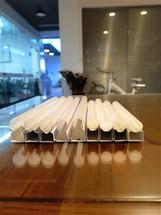
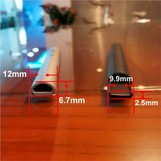
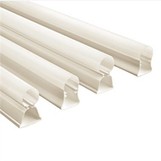
- Size and Shape: LED plastic covers come in various sizes and shapes. You need to know the exact dimensions that fit your LED lights. For example, if you're using tube lights, you might need a Tube Light Plastic Cover. Make sure to measure your LEDs accurately.
- Material: Different materials have different properties. Common materials for LED plastic covers include polycarbonate, acrylic, and PVC. Polycarbonate is known for its high impact resistance, while acrylic offers excellent optical clarity. PVC is more cost - effective. Think about which material suits your application best.
- Color and Transparency: Do you need a transparent cover to showcase the light, or a colored one for a specific aesthetic or functional purpose? Transparent covers are great for general lighting, but if you want to create a mood or block certain wavelengths, colored covers might be the way to go. You can also find Plastic Transparent Tube for specific lighting setups.
2. Research Potential Suppliers
Once you've determined your requirements, it's time to start looking for suppliers. Here are some ways to do it:
- Online Search: The internet is a goldmine of information. Use search engines to find suppliers of LED plastic covers. Look for suppliers with a professional website that provides detailed product information, including specifications, pricing, and customer reviews. You can also check out industry directories and online marketplaces.
- Trade Shows and Exhibitions: Attending trade shows related to lighting or plastics is a great way to meet suppliers in person. You can see their products up close, ask questions, and build relationships. It's also an opportunity to stay updated on the latest trends and technologies in the industry.
- Referrals: Ask other businesses in the lighting industry for recommendations. If someone you trust has had a good experience with a particular supplier, it's worth checking them out. Word - of - mouth referrals can be very reliable.
3. Evaluate Suppliers
After you've compiled a list of potential suppliers, it's time to evaluate them. Here are some key points to consider:
- Quality: Quality is non - negotiable when it comes to LED plastic covers. Ask the supplier for samples so you can test the quality yourself. Check for things like thickness, clarity, and durability. Look for suppliers who have quality control measures in place, such as ISO certifications.
- Pricing: While you don't want to sacrifice quality for price, you also need to find a supplier that offers competitive pricing. Get quotes from multiple suppliers and compare them. Make sure to consider all costs, including shipping and taxes.
- Production Capacity: If you have large - scale orders, you need to make sure the supplier has the production capacity to meet your needs. Ask about their lead times and whether they can handle rush orders if necessary.
- Customer Service: Good customer service is essential. You want a supplier who is responsive to your inquiries, can provide technical support, and is willing to work with you to solve any problems that may arise. Look for suppliers with positive customer reviews regarding their customer service.
4. Communication and Negotiation
Once you've found a supplier that meets your criteria, it's time to start communicating with them. Here are some tips:
- Be Clear: Clearly communicate your requirements, including the quantity, quality, and delivery schedule. Provide detailed specifications to avoid any misunderstandings.
- Ask Questions: Don't be afraid to ask questions. If you're unsure about something, such as the manufacturing process or the warranty, ask the supplier for clarification.
- Negotiate: Try to negotiate the price, payment terms, and delivery schedule. You may be able to get a better deal if you're willing to place a larger order or commit to a long - term contract.
5. Check for Compatibility
Before finalizing your order, make sure the LED plastic covers are compatible with your LED lights. This includes checking the size, shape, and mounting options. You don't want to end up with covers that don't fit properly.
6. Place Your Order
Once you're satisfied with the supplier and have negotiated the terms, it's time to place your order. Make sure to get a written contract that outlines all the details, including the price, quantity, delivery date, and quality standards.
7. Follow Up
After placing your order, stay in touch with the supplier. Track the progress of your order and make sure it's on schedule. If there are any issues, address them promptly.
As a supplier of LED plastic covers myself, I understand the importance of finding the right fit for your business. I offer a wide range of LED plastic covers, including T5 Tube Plastic Cover. Our products are made from high - quality materials, and we have strict quality control measures in place. We also provide excellent customer service and competitive pricing.
If you're interested in learning more about our products or want to discuss your specific requirements, feel free to reach out. I'm always happy to help you find the perfect LED plastic covers for your needs. Let's start a conversation and see how we can work together!
References
- "Plastic Materials for Lighting Applications" - Lighting Industry Handbook
- "Procurement Best Practices in the Plastics Industry" - Journal of Supply Chain Management