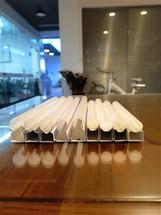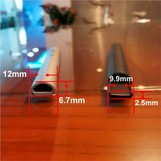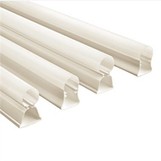

Hey there! As a supplier of plastic light covers, I've seen firsthand how easily these covers can get damaged during installation. It's a real bummer when you're all set to brighten up a space, and then the cover gets scratched, cracked, or bent. But don't worry! I'm here to share some tips on how to protect a plastic light cover from damage during installation.
Preparation is Key
Before you even start the installation process, it's crucial to do some prep work. First off, make sure you have all the necessary tools on hand. You'll typically need a screwdriver, a measuring tape, and maybe a pair of pliers. Having the right tools will make the installation go smoother and reduce the risk of accidentally damaging the cover.
Next, find a clean and spacious area to lay out the plastic light cover. A soft surface, like a carpet or a piece of cardboard, can help prevent scratches. I've seen too many cases where a cover gets scuffed up just because it was placed on a rough surface. So, take a few extra seconds to create a safe workspace.
Handling the Plastic Light Cover
When it comes to handling the plastic light cover, be as gentle as possible. These covers are made of plastic, which can be brittle in some cases. Avoid grabbing the cover by its edges, as this can cause it to crack or break. Instead, support the cover from the center or use both hands to hold it evenly.
If the cover has any delicate parts, like a frosted finish or a decorative pattern, be extra careful not to touch them with dirty or greasy hands. Oils from your skin can leave marks on the plastic, which can be hard to remove. If you need to touch the cover, consider wearing clean gloves.
Measuring and Aligning
Accurate measuring and aligning are essential to protect the plastic light cover during installation. Use a measuring tape to ensure that the cover fits perfectly in the designated space. If the cover is too big or too small, you may have to force it into place, which can lead to damage.
Once you've measured, align the cover with the light fixture. Make sure it's centered and level. You can use a level tool to double - check. If the cover is not aligned correctly, it may put uneven pressure on the plastic, causing it to warp or crack.
Installation Process
Now, let's talk about the actual installation process. If you're using screws to attach the plastic light cover, be careful not to overtighten them. Over - tightening can cause the plastic to crack around the screw holes. Use a screwdriver with a proper torque setting or just use your hand to feel when the screw is tight enough.
If you're using clips or brackets to hold the cover in place, make sure they are the right size and type for the cover. Using the wrong clips can put too much stress on the plastic and cause damage. Also, be gentle when attaching the clips. Don't force them on, as this can break the cover.
Protecting During Transport
If you're transporting the plastic light cover to the installation site, take extra precautions. Use a protective packaging, like a cardboard box or a foam sleeve. This will help prevent the cover from getting scratched or dented during transit.
You can also place some soft padding around the cover inside the box. Bubble wrap or packing peanuts work great. Make sure the cover is secure in the box so that it doesn't move around too much during transport.
Common Mistakes to Avoid
There are a few common mistakes that people make during the installation of plastic light covers that can lead to damage. One of the biggest mistakes is rushing through the process. Take your time and follow the steps carefully. Rushing can cause you to make errors, like misaligning the cover or overtightening the screws.
Another mistake is using the wrong tools. Using a tool that is too big or too small can cause damage to the cover. For example, using a screwdriver with a tip that is too large can strip the screw holes in the plastic.
Different Types of Plastic Light Covers
We offer a variety of plastic light covers, such as the T8 Tube Plastic Cover, Plastic Transparent Tube, and LED Plastic Cover. Each type has its own characteristics, and you need to adjust your installation method accordingly.
For example, the T8 Tube Plastic Cover is often used for fluorescent lights. It's usually long and tubular, so you need to be careful when handling it to avoid bending. The Plastic Transparent Tube is great for creating a modern look, but it can be more prone to scratches, so you need to be extra gentle during installation. The LED Plastic Cover is designed to protect LED lights, and it may have some special features, like heat resistance, so make sure you follow the manufacturer's instructions.
Post - Installation Inspection
After you've installed the plastic light cover, take a few minutes to inspect it. Look for any signs of damage, like scratches, cracks, or warping. If you notice any issues, try to fix them right away. Sometimes, a small scratch can be buffed out with a plastic polish.
If the damage is more severe, you may need to replace the cover. It's better to do this sooner rather than later, as a damaged cover may not provide proper protection for the light and can also affect the overall appearance.
Conclusion
Protecting a plastic light cover from damage during installation is all about being careful, prepared, and following the right steps. By taking the time to do things correctly, you can ensure that your plastic light cover looks great and lasts a long time.


If you're in the market for high - quality plastic light covers, we're here to help. We offer a wide range of products that are designed to meet your needs. Whether you're a DIY enthusiast or a professional installer, we have the right cover for you. So, don't hesitate to reach out and start a conversation about your plastic light cover needs. We're looking forward to working with you!
References
- General knowledge and experience in the plastic light cover industry.
- Observations from various installation projects.