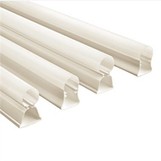

When it comes to lamp cover plastic, the range of available colors is vast and can significantly impact the overall aesthetic and functionality of lighting fixtures. As a dedicated lamp cover plastic supplier, I've had the privilege of exploring and offering a diverse palette of colors to meet the varied needs of our customers in the lighting industry.
The Basics of Lamp Cover Plastic Colors
The choice of color for lamp cover plastic is not just about aesthetics; it also affects the quality of light transmission and diffusion. Clear or transparent plastic is perhaps the most straightforward option. It allows for maximum light transmission, making it ideal for applications where bright, unfiltered light is desired. Our Plastic Transparent Tube is a prime example of this, offering a clear and distortion - free view of the light source within. This type of plastic is commonly used in industrial lighting, where high - intensity illumination is crucial, such as in warehouses or manufacturing facilities.
On the other end of the spectrum, opaque colors are used when light diffusion is the main goal. Opaque lamp cover plastics can scatter light evenly, reducing glare and creating a more comfortable lighting environment. Colors like white, off - white, and cream are popular choices for residential and commercial lighting, as they provide a soft, warm glow. For instance, a white LED light plastic cover can transform a harsh LED light into a gentle, ambient source of illumination, perfect for living rooms, offices, or retail spaces. Our LED Light Plastic Cover comes in a variety of opaque colors to suit different design preferences.
Popular Color Choices for Different Applications
Residential Lighting
In residential settings, the color of lamp cover plastic can set the mood of a room. Soft pastel colors such as pink, lavender, and mint green are often used in children's rooms or nurseries to create a calming and inviting atmosphere. These colors can also add a touch of playfulness to the space. For bedrooms and living rooms, warmer tones like beige, caramel, and light brown are favored. They complement the natural wood and fabric elements commonly found in these areas, creating a cozy and homely feel.


Commercial Lighting
Commercial spaces have different lighting requirements. In offices, neutral colors like gray and black are often used for a sleek and professional look. These colors can also blend well with modern office furniture and decor. Retail stores, on the other hand, may use more vibrant colors to attract customers and highlight products. For example, a clothing store might use red or orange lamp cover plastics to create a sense of energy and excitement. In restaurants, warm yellow and amber tones can enhance the dining experience by creating a welcoming and intimate ambiance.
Outdoor Lighting
Outdoor lighting needs to be durable and weather - resistant, and the color choice can also play a role in functionality. Clear or light - colored plastics are often used for security lighting, as they provide maximum visibility. For decorative outdoor lighting, such as in gardens or patios, earthy tones like green and brown can blend in with the natural surroundings, while brighter colors like blue or purple can add a festive touch.
Custom Color Options
We understand that sometimes our customers have specific color requirements that go beyond the standard options. That's why we offer custom color mixing services for lamp cover plastic. Using advanced color - matching technology, we can create a plastic color that exactly matches your brand colors, design concept, or any other specific need. Whether you need a unique shade for a high - end lighting fixture or a custom color for a large - scale commercial project, our team of experts can work with you to achieve the perfect result.
The Impact of Color on Light Quality
The color of lamp cover plastic can have a significant impact on the quality of light. Different colors absorb and reflect light differently, which can affect the color temperature and color rendering index (CRI) of the light. For example, a blue lamp cover plastic can lower the color temperature of the light, making it appear cooler. On the other hand, a red or orange cover can increase the color temperature, resulting in a warmer light.
The CRI measures how accurately a light source reveals the true colors of objects. A high - CRI light is important in applications where color accuracy is crucial, such as in art galleries or photography studios. By choosing the right color of lamp cover plastic, we can help optimize the CRI of the lighting system, ensuring that colors are rendered as accurately as possible.
The Role of Extruded Plastic Profiles in Color Selection
Extruded plastic profiles play an important role in the production of lamp cover plastics. Our Extruded Plastic Profile For Lighting Industry is designed to provide a precise and consistent shape for the lamp covers. The extrusion process allows us to create complex shapes and profiles, which can enhance the visual appeal of the lighting fixtures.
When it comes to color, the extrusion process also enables us to achieve a uniform color distribution throughout the plastic. This ensures that the lamp cover has a consistent appearance, without any color streaks or variations. Whether we are producing a simple tube or a more intricate profile, we can maintain the high - quality color finish that our customers expect.
Conclusion
The world of lamp cover plastic colors is vast and full of possibilities. From clear and transparent to opaque and custom - mixed colors, there is a color option for every lighting application. As a lamp cover plastic supplier, we are committed to providing our customers with a wide range of color choices, high - quality products, and excellent customer service.
If you are in the market for lamp cover plastic and have specific color requirements or lighting needs, we would love to hear from you. Our team of experts is ready to assist you in selecting the right color and product for your project. Contact us today to start a conversation about your lighting solutions.
References
- Lighting Design Handbook, Third Edition, by John M. Bullough
- Color Psychology in Design, by Karen Haller
- Plastic Extrusion Technology, by Frank Hensen