
Hey there! As a supplier of Triproof Light Covers, I've been in the business long enough to know that not all triproof light covers are created equal. In this blog post, I'm gonna break down the differences between different types of these covers so you can make an informed decision when it comes to your lighting needs.
1. Material - The Foundation of Difference
One of the most significant factors that set different triproof light covers apart is the material they're made of.
Polycarbonate (PC) Covers
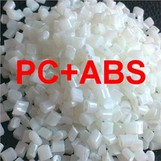
Polycarbonate is a popular choice for triproof light covers, and for good reason. It's incredibly durable and can withstand a lot of abuse. These covers are resistant to impact, which means they won't crack or shatter easily if they get bumped or dropped. They also have excellent light transmission properties, allowing the light from the LED bulbs inside to shine through brightly and evenly.
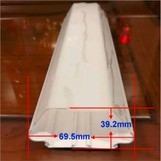
PC covers are also known for their high heat resistance. This is crucial because LEDs can generate a fair amount of heat, and the cover needs to be able to handle it without warping or degrading. Another advantage of polycarbonate is its UV resistance. If your triproof lights are going to be used outdoors or in areas with a lot of sunlight, a PC cover will protect the internal components from the harmful effects of UV rays. Check out our Custom Waterproof Tri-proof Diffuser PC LED Light Cover for a great example of a high - quality polycarbonate cover.
Acrylic Covers
Acrylic is another material used for triproof light covers. It's known for its clarity, which gives a very clear and bright appearance to the light. Acrylic covers are lighter than polycarbonate ones, which can be an advantage in some applications where weight is a concern.
However, acrylic is not as impact - resistant as polycarbonate. It's more prone to scratching, and in high - impact situations, it may crack. It also has a lower heat resistance compared to polycarbonate. So, if your lights are going to be in a high - heat environment or are likely to experience rough handling, acrylic might not be the best choice.
PVC Covers
PVC (Polyvinyl Chloride) covers are often used for their affordability. They are relatively inexpensive compared to polycarbonate and acrylic. PVC covers are also flexible, which can be useful in some applications where a more malleable cover is needed.
But, PVC has its limitations. It doesn't have the same level of light transmission as polycarbonate or acrylic. It can also become brittle over time, especially in extreme temperatures. This can lead to cracking and a reduced lifespan for the cover.
2. Design and Shape
The design and shape of triproof light covers can vary widely, and these differences can have a big impact on their functionality.
Flat Covers
Flat covers are the most basic and common design. They are simple and straightforward, providing a clean and unobtrusive look. Flat covers are easy to install and are suitable for a wide range of applications. They work well in indoor settings where a simple and functional lighting solution is needed. For example, in warehouses or offices, flat covers can effectively protect the LED lights while allowing the light to spread evenly across the area. You can find our Tri Proof Fixture Cover in a flat design that's perfect for these types of applications.
Curved Covers
Curved covers are designed to provide a more focused and directional light. They can be used to direct the light in a specific area, which is useful in applications like street lighting or in areas where you need to illuminate a particular spot. The curved shape can also add an aesthetic touch to the lighting fixture, making it look more modern and stylish.
Corrugated Covers
Corrugated covers have a unique design with ridges or grooves. These covers are great for diffusing light. They break up the light and spread it out more evenly, reducing glare. This is especially beneficial in areas where glare can be a problem, such as in workshops or garages. The corrugated design also adds some extra strength to the cover, making it more resistant to bending and damage.
3. Functionality - Triproof Features
As the name suggests, triproof light covers are supposed to be proof against three main things: water, dust, and corrosion.
Waterproofing
Waterproof covers are essential for outdoor use or in areas where there's a risk of water exposure, like bathrooms, kitchens, or industrial settings with water spray. The level of waterproofing can vary. Some covers are rated to be splash - proof, which means they can withstand light splashes of water. Others are fully waterproof, meaning they can be submerged in water to a certain depth without allowing water to penetrate and damage the LED lights. Our LED Triproof Light Plastic Cover comes in different waterproof ratings to meet your specific needs.
Dustproofing
Dust can accumulate inside the lighting fixture over time and reduce the efficiency of the LEDs. Dustproof covers prevent dust from getting in, ensuring that the lights continue to operate at their best. This is particularly important in industrial environments, construction sites, or areas with a lot of airborne dust.
Corrosion Resistance
In environments where there are corrosive substances, such as in chemical plants or coastal areas with saltwater, corrosion - resistant covers are a must. These covers are made from materials that can withstand the effects of corrosion, protecting the internal components of the light and extending its lifespan.


4. Diffusion and Light Distribution
The way a triproof light cover diffuses light can have a significant impact on the overall lighting experience.
Clear Covers
Clear covers allow the light from the LEDs to pass through with minimal distortion. They provide a bright and intense light, which is great for areas where maximum illumination is needed, like sports arenas or large industrial spaces. However, clear covers can sometimes cause glare, especially if the LEDs are very bright.
Diffused Covers
Diffused covers are designed to scatter the light, reducing glare and creating a more even and soft lighting effect. They are ideal for areas where people will be working or spending a lot of time, such as offices, schools, or hospitals. Diffused covers can also help to hide the individual LED bulbs, giving the lighting fixture a more aesthetically pleasing appearance.
Conclusion
So, as you can see, there are many differences between different types of triproof light covers. When choosing a cover, you need to consider factors like the material, design, functionality, and light diffusion. Each type of cover has its own advantages and disadvantages, and the right choice depends on your specific application and requirements.
If you're in the market for triproof light covers, we're here to help. We offer a wide range of high - quality covers made from different materials and in various designs. Whether you need a simple flat cover for an office or a curved, waterproof cover for outdoor lighting, we've got you covered. Don't hesitate to reach out if you have any questions or want to discuss your specific needs. We're always happy to assist you in finding the perfect triproof light cover for your project.
References
- Lighting Industry Handbook
- Material Science for Lighting Applications