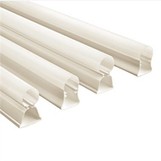

As a supplier of LED Diffuser Strips, I've witnessed firsthand the transformative impact these products have on the lighting industry. In this blog, I'll delve into the functions of an LED diffuser strip, exploring how it enhances lighting quality, improves aesthetics, and offers practical benefits in various applications.
1. Light Diffusion and Uniformity
One of the primary functions of an LED diffuser strip is to disperse light evenly. LEDs, by nature, emit light in a highly directional manner. Without proper diffusion, this can result in harsh, concentrated light spots, creating an uneven and sometimes uncomfortable lighting environment. An LED diffuser strip works to scatter the light rays, distributing them more uniformly across the illuminated area.
This even distribution of light is crucial in many settings. For example, in commercial display cases, a uniform light source ensures that products are presented in the best possible way, without any dark shadows or bright spots that could detract from their appearance. In residential lighting, it provides a soft, pleasant glow that is easier on the eyes, making living spaces more inviting and comfortable.


Our LED Diffuser Strip is designed with advanced diffusion technology. It can effectively transform the intense, focused light from LEDs into a smooth, consistent illumination. The material used in our diffuser strips is carefully selected to optimize light diffusion while maintaining high light transmission, ensuring that the maximum amount of light reaches the desired area.
2. Glare Reduction
Glare is a common problem in lighting, especially when using high - intensity light sources like LEDs. Glare can cause discomfort, eye strain, and even reduce visibility in some cases. An LED diffuser strip acts as a barrier between the LED light source and the viewer, reducing the direct impact of the intense light.
By scattering the light, the diffuser strip softens the light output, making it less harsh and reducing the likelihood of glare. This is particularly important in workspaces, such as offices and workshops, where employees need to focus on tasks for extended periods. Reducing glare can improve productivity and comfort, as well as minimize the risk of eye fatigue and headaches.
In addition, in areas where visual clarity is essential, such as museums and art galleries, glare reduction is crucial for properly viewing exhibits. Our LED diffuser strips can help create a glare - free environment, allowing visitors to appreciate the art and artifacts without any visual distractions.
3. Aesthetic Enhancement
Beyond its functional benefits, an LED diffuser strip can significantly enhance the aesthetic appeal of lighting fixtures. It can transform the appearance of a simple LED strip into a more sophisticated and elegant lighting element.
The diffuser strip can add a touch of style to any space. For example, in modern interior design, a sleek and minimalist LED diffuser strip can be used to create a contemporary look. The soft, diffused light can also create a warm and inviting atmosphere, making the space more comfortable and appealing.
In architectural lighting, LED diffuser strips can be used to highlight building features, such as columns, walls, or ceilings. The diffused light can create a subtle and dramatic effect, adding depth and dimension to the architecture. Our Extruded Linear Lens is an excellent option for architectural lighting applications, as it can be customized to fit different shapes and sizes, providing a seamless and aesthetically pleasing lighting solution.
4. Protection of LED Components
LEDs are sensitive electronic components that can be affected by environmental factors such as dust, moisture, and physical damage. An LED diffuser strip can act as a protective barrier for the LEDs.
It shields the LEDs from dust and debris, preventing them from accumulating on the light source and potentially reducing its performance. Moisture can also cause corrosion and damage to the LED components, but a well - designed diffuser strip can help keep the LEDs dry.
In addition, the diffuser strip can protect the LEDs from physical impact. In some applications, such as industrial settings or outdoor lighting, the LEDs may be at risk of being hit or damaged. The diffuser strip provides an extra layer of protection, ensuring the longevity and reliability of the LED lighting system.
5. Customization and Flexibility
LED diffuser strips offer a high degree of customization and flexibility. They can be manufactured in different shapes, sizes, and colors to meet the specific needs of various applications.
For example, in automotive lighting, LED diffuser strips can be designed to fit the unique contours of a vehicle's interior or exterior lighting fixtures. In decorative lighting, they can be cut to different lengths and bent into various shapes to create creative lighting designs.
Our company offers a wide range of customization options for our LED diffuser strips. We can produce diffuser strips with different diffusion levels, depending on the required light distribution. Whether you need a highly diffused light for a soft, ambient glow or a more directional diffusion for specific lighting effects, we can tailor our products to your exact specifications.
6. Compatibility with Different LED Types
LED technology is constantly evolving, and there are many different types of LEDs available on the market, each with its own characteristics. An LED diffuser strip is designed to be compatible with a wide range of LED types.
Whether you are using high - power LEDs for industrial lighting or low - power LEDs for decorative purposes, our diffuser strips can work effectively with them. This compatibility makes it easier for lighting designers and installers to incorporate LED diffuser strips into their projects, regardless of the specific LED products they are using.
7. Energy Efficiency
Although an LED diffuser strip adds an extra layer to the lighting system, it can actually contribute to energy efficiency. By improving light distribution and reducing glare, the diffuser strip allows for more effective use of the light output from LEDs.
In some cases, a well - designed diffuser strip can reduce the need for additional lighting fixtures or higher - wattage LEDs. This means that less energy is consumed to achieve the same level of illumination. In today's environmentally conscious world, energy efficiency is an important consideration for both residential and commercial lighting applications.
Applications of LED Diffuser Strips
The functions of LED diffuser strips make them suitable for a wide range of applications.
- Residential Lighting: In homes, LED diffuser strips can be used in various areas such as living rooms, bedrooms, kitchens, and bathrooms. They can provide soft, ambient lighting or be used to highlight architectural features.
- Commercial Lighting: In commercial spaces like offices, retail stores, and restaurants, LED diffuser strips can enhance the visual appeal of the space, reduce glare, and improve the overall lighting quality.
- Automotive Lighting: In cars, LED diffuser strips can be used for interior lighting, creating a comfortable and stylish atmosphere. They can also be used in exterior lighting to improve visibility and safety.
- Architectural Lighting: For buildings and structures, LED diffuser strips can be used to accentuate the design and create a unique lighting effect.
Conclusion
In conclusion, the functions of an LED diffuser strip are diverse and significant. From improving light quality and reducing glare to enhancing aesthetics and protecting LED components, it plays a crucial role in modern lighting systems. As a supplier of LED Diffuser Strips, we are committed to providing high - quality products that meet the needs of our customers.
If you are interested in learning more about our LED diffuser strips or are considering a lighting project that requires our products, we encourage you to contact us for a detailed discussion. Our team of experts is ready to assist you in selecting the right diffuser strips for your specific application and provide you with professional advice and support.
References
- Lighting Research Center, Rensselaer Polytechnic Institute. "Principles of Lighting."
- Philips Lighting. "LED Lighting Handbook."
- "The Science of Light and Color" by David L. MacAdam.