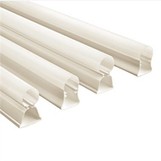

As a supplier of extruded aluminium products, I'm often asked about the process behind creating these versatile materials. Extruded aluminium is a widely used material in various industries, from construction to electronics, due to its excellent properties such as lightweight, corrosion resistance, and high strength-to-weight ratio. In this blog post, I'll take you through the step-by-step process of extruded aluminium, sharing insights from my experience in the industry.
Step 1: Billet Preparation
The process of extruded aluminium begins with the preparation of billets. Billets are cylindrical blocks of aluminium alloy that serve as the raw material for extrusion. These billets are typically made from high-quality aluminium alloys, which are carefully selected based on the desired properties of the final product.
The billets are first heated to a specific temperature, usually between 370°C and 500°C, depending on the alloy type. This heating process, known as homogenization, helps to eliminate any internal stresses and ensure a uniform microstructure within the billet. Homogenization also improves the plasticity of the aluminium, making it easier to extrude.
Step 2: Die Design and Preparation
Once the billets are ready, the next step is to design and prepare the extrusion die. The die is a crucial component in the extrusion process, as it determines the shape and dimensions of the final extruded product. Dies are typically made from high-strength tool steel or other materials that can withstand the high pressures and temperatures involved in extrusion.
The die design process involves creating a detailed blueprint of the desired shape, taking into account factors such as the material flow, wall thickness, and tolerances. Advanced computer-aided design (CAD) software is often used to create accurate die designs, which can then be manufactured using precision machining techniques.
Before the die is used in the extrusion process, it needs to be thoroughly cleaned and lubricated to ensure smooth material flow and prevent sticking. A special lubricant is applied to the die surface to reduce friction and wear, which helps to extend the die's lifespan and improve the quality of the extruded product.
Step 3: Extrusion Process
With the billets and die prepared, it's time to start the extrusion process. The heated billet is placed into a container, which is then loaded into the extrusion press. The extrusion press applies a high pressure to the billet, forcing it through the die opening. As the billet passes through the die, it takes on the shape of the die cavity, resulting in a continuous length of extruded aluminium.
The extrusion process can be carried out using either a direct or indirect extrusion method. In direct extrusion, the billet is pushed through the die by a ram, while in indirect extrusion, the die moves towards the stationary billet. Both methods have their advantages and disadvantages, and the choice of method depends on factors such as the type of alloy, the shape of the product, and the production volume.
During the extrusion process, it's important to control the temperature, pressure, and speed to ensure consistent quality and dimensional accuracy. The extrusion speed is typically adjusted based on the alloy type and the complexity of the die design, with slower speeds used for more intricate shapes.
Step 4: Cooling and Quenching
After the extruded aluminium exits the die, it needs to be cooled rapidly to lock in its shape and properties. This is typically done by passing the extruded product through a water or air cooling system. The cooling rate is carefully controlled to prevent the formation of internal stresses and ensure a uniform microstructure.
In some cases, a quenching process may be used to further enhance the mechanical properties of the extruded aluminium. Quenching involves rapidly cooling the extruded product in a liquid medium, such as water or oil, to achieve a specific hardness and strength. The quenching process can be tailored to the specific requirements of the application, depending on the alloy type and the desired properties.
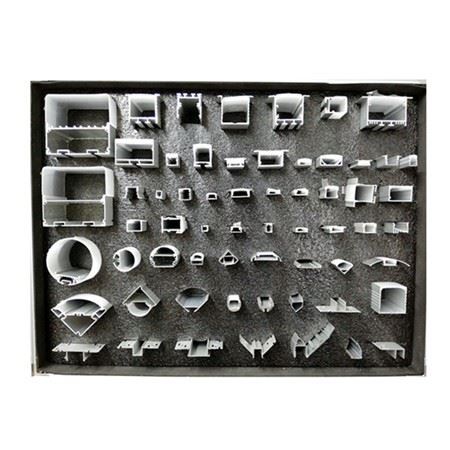

Step 5: Cutting and Finishing
Once the extruded aluminium has been cooled and quenched, it is cut to the desired length using a saw or other cutting equipment. The cutting process is carefully controlled to ensure accurate lengths and clean cuts.
After cutting, the extruded aluminium may undergo additional finishing operations, such as machining, drilling, or surface treatment. Machining operations can be used to create specific features or dimensions, while surface treatment can improve the appearance and corrosion resistance of the product. Common surface treatment methods include anodizing, powder coating, and painting.
Step 6: Quality Control
Quality control is an essential part of the extruded aluminium manufacturing process. At every stage of production, from billet preparation to finishing, strict quality control measures are in place to ensure that the final product meets the required standards and specifications.
Quality control tests may include dimensional inspections, mechanical property testing, and chemical analysis. Dimensional inspections are used to verify the accuracy of the extruded product's shape and dimensions, while mechanical property testing measures the strength, hardness, and ductility of the material. Chemical analysis is used to ensure that the alloy composition meets the specified requirements.
Applications of Extruded Aluminium
Extruded aluminium products have a wide range of applications in various industries. Some of the common applications include:
- Construction: Extruded aluminium is used in the construction industry for window frames, door frames, curtain walls, and structural components. Its lightweight and corrosion-resistant properties make it an ideal choice for building applications.
- Automotive: In the automotive industry, extruded aluminium is used for engine components, chassis parts, and body panels. Its high strength-to-weight ratio helps to reduce the weight of vehicles, improving fuel efficiency and performance.
- Electronics: Extruded aluminium is widely used in the electronics industry for heat sinks, enclosures, and other components. Its excellent thermal conductivity makes it an ideal material for dissipating heat from electronic devices.
- Lighting: Extruded aluminium is commonly used in the lighting industry for LED Aluminum Profile, Extruded Aluminium Light Fixture, and LED Strip Aluminum Profile. Its versatility and ability to be easily shaped make it a popular choice for creating innovative lighting designs.
Contact Us for Extruded Aluminium Products
If you're in the market for high-quality extruded aluminium products, look no further. As a leading supplier of extruded aluminium, we offer a wide range of products to meet your specific needs. Whether you're looking for standard profiles or custom-designed solutions, our experienced team can provide you with the expertise and support you need.
Contact us today to discuss your requirements and learn more about our extruded aluminium products. We're committed to providing our customers with the best possible products and services, and we look forward to working with you.
References
- "Aluminium Extrusion Technology" by R. A. MacKenzie
- "The Extrusion Process" by The Aluminium Association
- "Aluminium Alloys: A Practical Guide" by John Campbell