
As a seasoned supplier of lamp cover plastic, I often encounter inquiries regarding the weight of lamp cover plastic. This seemingly simple question actually delves into a complex interplay of various factors, from the type of plastic used to the manufacturing process and the specific design of the lamp cover. In this blog post, I aim to shed light on this topic, providing a comprehensive understanding of what determines the weight of lamp cover plastic and why it matters.
Understanding the Types of Plastic Used in Lamp Covers
The choice of plastic material is a primary determinant of the weight of lamp covers. Different plastics have distinct densities, which directly influence their weight. Here are some common plastics used in lamp covers and their characteristics:
-
Polycarbonate (PC): Known for its high impact resistance and optical clarity, polycarbonate is a popular choice for lamp covers. It has a relatively high density, typically ranging from 1.2 to 1.22 g/cm³. This means that lamp covers made from polycarbonate tend to be heavier compared to some other plastics. However, its strength and durability make it suitable for applications where protection and long - term performance are crucial. For example, in industrial lighting or outdoor lighting fixtures, polycarbonate lamp covers can withstand harsh environments and impacts. You can find a wide range of Plastic Light Cover options made from polycarbonate on our website.
-
Acrylic (PMMA): Acrylic is valued for its excellent transparency and light - transmitting properties. It has a density of around 1.18 g/cm³, slightly lower than polycarbonate. Lamp covers made from acrylic are lighter and can provide a more delicate appearance. They are commonly used in decorative lighting, such as chandeliers and pendant lights, where aesthetics are a key consideration.
-
Polyvinyl Chloride (PVC): PVC is a versatile plastic with a density ranging from 1.3 to 1.45 g/cm³. It is often used in lamp covers due to its low cost and good chemical resistance. However, its relatively high density means that PVC lamp covers can be heavier. PVC is suitable for applications where cost - effectiveness is important, such as in some mass - produced lighting products.
The Impact of Manufacturing Processes
The manufacturing process also plays a significant role in determining the weight of lamp cover plastic. Extrusion is a common method used to produce lamp covers, especially for those with a more regular shape.
-
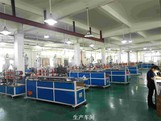
Extruded Plastic Profile: In the lighting industry, Extruded Plastic Profile For Lighting Industry is widely used. During the extrusion process, plastic is melted and forced through a die to create a continuous profile. The thickness of the extruded profile can be precisely controlled, which directly affects the weight of the final lamp cover. A thicker profile will result in a heavier lamp cover, while a thinner one will be lighter.
-
Molding: Injection molding and blow molding are other manufacturing processes used for lamp covers. Injection molding is suitable for producing complex - shaped lamp covers with high precision. The amount of plastic injected into the mold cavity determines the weight of the part. Blow molding, on the other hand, is often used for producing hollow lamp covers, which can be lighter compared to solid ones.
Design Considerations
The design of the lamp cover also has a major impact on its weight. Here are some design factors to consider:
-
Size and Shape: Larger lamp covers naturally require more plastic material, resulting in a greater weight. Additionally, complex shapes with more curves and protrusions may also increase the weight as they require more material to form. For example, a spherical lamp cover will generally weigh more than a flat, rectangular one of the same surface area.
-
Structural Features: Lamp covers with additional structural features, such as ribs or reinforcement, will be heavier. These features are often added to improve the strength and rigidity of the lamp cover, but they come at the cost of increased weight.
Why the Weight of Lamp Cover Plastic Matters
The weight of lamp cover plastic is not just a matter of curiosity; it has several practical implications:
-
Installation and Handling: Heavier lamp covers can be more difficult to install, especially in overhead lighting fixtures. They may require additional support structures to ensure proper installation and prevent sagging. During transportation, heavier lamp covers also incur higher shipping costs.
-
Energy Efficiency: In some cases, the weight of the lamp cover can be related to its thermal properties. A heavier lamp cover may have better insulation properties, which can help reduce heat loss from the lighting fixture. This, in turn, can contribute to energy efficiency.


-
Product Performance: The weight can also affect the overall performance of the lamp cover. For example, a heavier lamp cover may be more resistant to wind and vibration, making it more suitable for outdoor or industrial applications.
Conclusion
In conclusion, the weight of lamp cover plastic is determined by a combination of factors, including the type of plastic, the manufacturing process, and the design of the lamp cover. As a supplier, we understand the importance of balancing these factors to meet the specific needs of our customers. Whether you are looking for a lightweight and aesthetically pleasing lamp cover or a heavy - duty and durable one, we have the expertise and resources to provide you with the right solution.
If you are interested in our lamp cover plastic products, or if you have any questions about the weight or other aspects of our products, please feel free to contact us for a procurement discussion. We are committed to providing high - quality products and excellent customer service.
References
- "Plastics in Lighting Applications" - A technical guide on the use of plastics in the lighting industry.
- "Manufacturing Processes for Plastic Products" - A comprehensive book on different plastic manufacturing methods.