

As a seasoned LED Strip Light supplier, I've encountered numerous inquiries about the ideal power source for these versatile lighting solutions. Among the most common questions is, "What kind of battery can power LED strip lights?" In this blog, I'll delve into the various battery options available, their pros and cons, and how to choose the right one for your specific needs.
Understanding the Basics of LED Strip Lights
Before we explore the battery options, let's briefly understand how LED strip lights work. LED strip lights are made up of multiple light - emitting diodes (LEDs) mounted on a flexible circuit board. They come in different lengths, colors, and brightness levels. The power requirements of LED strip lights vary depending on factors such as the number of LEDs per meter, the type of LEDs used, and the desired brightness.
Types of Batteries Suitable for LED Strip Lights
1. AA and AAA Batteries
AA and AAA batteries are widely available and easy to find in most stores. They are relatively inexpensive and come in both disposable and rechargeable varieties.
- Advantages:
- Accessibility: You can purchase them almost anywhere, making them a convenient option for quick set - ups.
- Safety: They are generally safe to use and have a low risk of overheating or explosion.
- Flexibility: You can use multiple batteries in series or parallel to achieve the desired voltage and current.
- Disadvantages:
- Limited Capacity: AA and AAA batteries have a relatively low capacity, which means they may not power the LED strip lights for a long time, especially if the strip has a high power consumption.
- Voltage Limitation: Each AA or AAA battery typically provides 1.5 volts. To power an LED strip that requires a higher voltage, you'll need to connect multiple batteries in series, which can be cumbersome.
2. Lithium - Ion Batteries
Lithium - ion batteries are commonly used in electronic devices such as smartphones and laptops. They are known for their high energy density and long lifespan.
- Advantages:
- High Energy Density: They can store a large amount of energy in a relatively small and lightweight package, which is ideal for portable LED strip light applications.
- Long Lifespan: Lithium - ion batteries can withstand hundreds of charge - discharge cycles, making them a cost - effective option in the long run.
- Low Self - Discharge Rate: They lose their charge at a much slower rate compared to other battery types when not in use.
- Disadvantages:
- Cost: Lithium - ion batteries are more expensive than AA or AAA batteries.
- Safety Concerns: If not properly handled or protected, lithium - ion batteries can pose a risk of overheating, fire, or explosion.
3. Lead - Acid Batteries
Lead - acid batteries are commonly used in automotive applications and backup power systems. They are relatively inexpensive and can provide a large amount of power.

- Advantages:
- High Power Output: They can deliver a high current, which is suitable for powering large or high - power LED strip lights.
- Low Cost: Lead - acid batteries are generally cheaper than lithium - ion batteries.
- Disadvantages:
- Heavy and Bulky: They are much heavier and larger than other battery types, which can make them less suitable for portable applications.
- Short Lifespan: Lead - acid batteries have a relatively short lifespan compared to lithium - ion batteries, especially if they are not properly maintained.
Factors to Consider When Choosing a Battery
1. Power Requirements of the LED Strip Lights
The first step in choosing a battery is to determine the power requirements of your LED strip lights. Check the product specifications for the voltage and current ratings. For example, if your LED strip requires 12 volts and 2 amps, you'll need a battery that can provide at least this amount of power.
2. Duration of Use
If you need the LED strip lights to run for a long time, you'll need a battery with a high capacity. For short - term use, a smaller and less expensive battery may be sufficient.
3. Portability
If you plan to use the LED strip lights in a portable setting, such as for camping or events, you'll want a lightweight and compact battery. Lithium - ion batteries are a good choice in this case.
4. Cost
Consider your budget when choosing a battery. While lithium - ion batteries offer many advantages, they can be more expensive. AA or AAA batteries are a more budget - friendly option, but they may not be suitable for all applications.
Complementary Products for LED Strip Lights
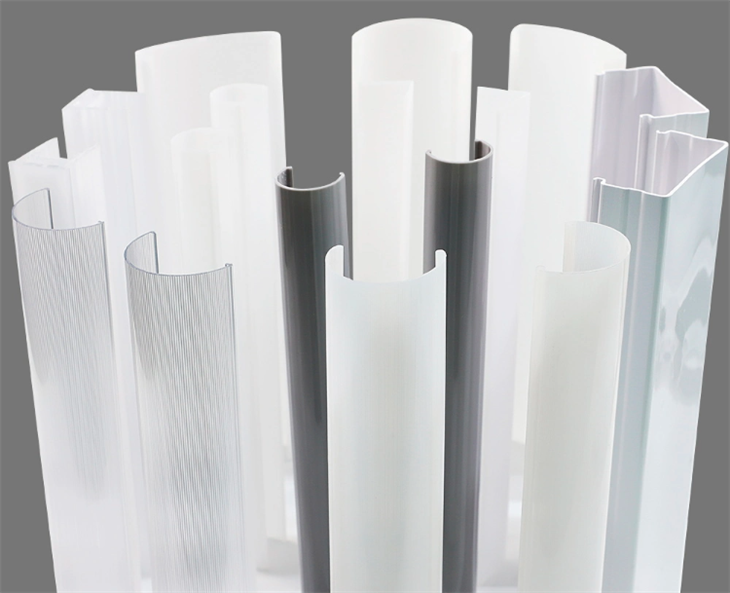
In addition to choosing the right battery, you may also want to consider using some complementary products to enhance the performance and aesthetics of your LED strip lights. For example, an Extrusion Plastic Cover can protect the LED strip lights from dust, moisture, and physical damage. A T8 Tube Plastic Cover can provide a diffused and uniform light output. And of course, our LED Flexible Strip Light offers flexibility and ease of installation.
Conclusion
Choosing the right battery for your LED strip lights is crucial to ensure optimal performance and longevity. Whether you opt for AA/AAA batteries, lithium - ion batteries, or lead - acid batteries, it's important to consider the power requirements, duration of use, portability, and cost. By making an informed decision, you can enjoy the benefits of LED strip lights in various settings.
If you're interested in purchasing LED strip lights or have any questions about powering them, I encourage you to reach out. We're here to help you find the perfect lighting solutions for your needs. Our team of experts can provide you with detailed information and guidance on choosing the right products, including the most suitable batteries. Let's start a conversation and explore how we can meet your lighting requirements.
References
- "LED Lighting Handbook" by John Y. Tsao, et al.
- "Battery Technology Handbook" by David Linden and Thomas B. Reddy.