
Hey there! As a supplier of LED Light Lenses, I've been getting a lot of questions lately about what kind of LED light lenses are suitable for plant growth. Well, I'm here to break it down for you in a way that's easy to understand.
First off, let's talk about why lenses matter when it comes to plant growth. LEDs are a popular choice for indoor plant lighting because they're energy - efficient and can be customized to emit specific wavelengths of light that plants need for photosynthesis. But the right lens can make a huge difference in how that light is distributed and used by the plants.
Types of LED Light Lenses for Plant Growth
1. Extruded Linear Lens
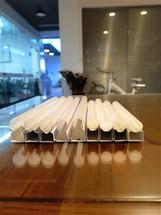
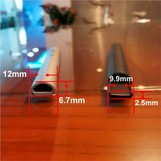
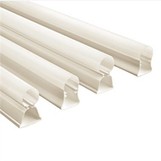
One great option is the Extruded Linear Lens. These lenses are designed to spread light evenly in a linear pattern. For plants, this means that a long row of plants can receive a consistent amount of light. If you're growing plants in a hydroponic system with long, narrow trays or in a greenhouse with long benches, an extruded linear lens is a fantastic choice.
The way it works is pretty cool. The extrusion process allows for precise shaping of the lens, which can control the angle of light dispersion. This means you can direct the light exactly where you need it, minimizing waste and ensuring that your plants get the most out of the LED light. And because it's linear, it can cover a large area without creating hotspots or areas of low light.
2. LED Light Lens
The general LED Light Lens category offers a wide range of options. There are lenses that can focus light, which is great if you have a small area of plants that need intense light. For example, if you're growing seedlings or small, delicate plants, a focused LED light lens can provide the concentrated light they need to thrive.
On the other hand, there are also diffusing LED light lenses. These lenses spread the light out more widely, creating a softer, more even light distribution. This is beneficial for larger plants or when you want to cover a broader area. Diffusing lenses can help prevent light burn on the leaves of the plants, as the light is not as concentrated in one spot.
3. Lampshade PC Diffuser
The Lampshade PC Diffuser is another interesting option. It's made of polycarbonate (PC), which is a durable and lightweight material. This diffuser is great for creating a more natural - looking light environment for your plants.
It works by scattering the light in multiple directions, simulating the way sunlight is diffused in nature. This can be really helpful for plants that are sensitive to direct light or for creating a more uniform light distribution in a large growing area. The lampshade design also adds a bit of aesthetic appeal to your indoor growing setup.
Factors to Consider When Choosing a Lens
1. Light Spectrum
Plants need different wavelengths of light at different stages of their growth. For example, blue light is important for vegetative growth, while red light is crucial for flowering and fruiting. When choosing a lens, make sure it doesn't block or distort the wavelengths of light that your plants need. Some lenses are designed to enhance certain wavelengths, which can be a great advantage if you're targeting specific growth stages.
2. Light Intensity
The intensity of light is also a key factor. Different plants have different light requirements. Some plants, like succulents, need a lot of intense light, while others, like ferns, prefer lower light levels. You can adjust the light intensity by choosing the right lens. A focusing lens can increase the intensity in a small area, while a diffusing lens can reduce the intensity over a larger area.


3. Coverage Area
Think about the size of your growing area. If you have a small grow tent, you might not need a lens that covers a large area. On the other hand, if you have a commercial greenhouse, you'll need a lens that can provide adequate light to a large number of plants. The type of lens you choose should match the size and layout of your growing space.
4. Heat Dissipation
LED lights can generate heat, and too much heat can damage your plants. Some lenses are designed to help with heat dissipation. For example, lenses made of materials with good thermal conductivity can transfer heat away from the light source and the plants, keeping the growing environment at a more stable temperature.
Case Studies
Let's take a look at a couple of real - world examples to see how these lenses work in practice.
Case 1: A small - scale indoor herb garden. The grower was using a basic LED light without a lens, and the plants were growing unevenly. Some of the herbs at the edges of the light were not getting enough light, while the ones in the center were getting too much. After switching to a diffusing LED light lens, the light was spread more evenly across the entire herb garden. The herbs started growing more uniformly, and the overall health of the plants improved.
Case 2: A commercial tomato farm in a greenhouse. The farm was using long, linear LED fixtures. By installing extruded linear lenses, the light was distributed evenly along the long rows of tomato plants. This led to more consistent growth and higher yields. The plants received the right amount of light at all stages of their growth, from seedlings to mature plants.
Conclusion
In conclusion, choosing the right LED light lens for plant growth is crucial for the health and productivity of your plants. Whether you're a hobbyist growing a few plants at home or a commercial grower with a large - scale operation, there's a lens out there that can meet your needs.
The Extruded Linear Lens, LED Light Lens, and Lampshade PC Diffuser all offer unique benefits. Consider factors like light spectrum, intensity, coverage area, and heat dissipation when making your decision.
If you're interested in learning more about our LED light lenses or are ready to make a purchase, don't hesitate to reach out. We're here to help you find the perfect lens for your plant - growing needs. Let's start a conversation and see how we can take your plant growth to the next level!
References
- Smith, J. (2020). "The Impact of LED Lighting on Plant Growth". Journal of Horticultural Science.
- Johnson, A. (2021). "Optimizing Light Distribution in Indoor Plant Cultivation". Agricultural Lighting Review.