
Hey there! As a supplier of LED light lenses, I often get asked about what materials these lenses are usually made of. Well, let's dive right into it and explore the different materials that are commonly used in the production of LED light lenses.
Acrylic (PMMA)
Acrylic, also known as Polymethyl Methacrylate (PMMA), is one of the most popular materials for LED light lenses. It's got a whole bunch of great features that make it a top choice in the industry.
First off, acrylic has excellent optical clarity. It allows a high percentage of light to pass through, which means that the light from the LED can shine through the lens with minimal loss. This is super important because it helps to maximize the efficiency of the LED lighting system.
Another great thing about acrylic is its durability. It's resistant to impact and weathering, so it can withstand the wear and tear of everyday use. Whether it's used in indoor lighting fixtures or outdoor applications, acrylic lenses can hold up well over time.
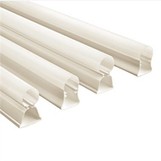
Acrylic is also easy to shape and mold. This flexibility in manufacturing allows for the creation of lenses with various designs and shapes, such as the Extruded Linear Lens. Manufacturers can use different techniques like injection molding or extrusion to produce lenses that meet specific design requirements.
However, acrylic does have a few drawbacks. It can be a bit more expensive compared to some other materials. And it's also more prone to scratching than glass, so it might need some extra care during handling and installation.
Polycarbonate (PC)
Polycarbonate is another widely used material for LED light lenses. It's known for its high impact resistance, which makes it a great option for applications where the lens might be exposed to rough handling or potential impacts.
One of the key advantages of polycarbonate is its strength. It can withstand a lot of force without cracking or breaking, making it suitable for outdoor lighting in areas where there's a risk of vandalism or accidental damage.
Polycarbonate also has good heat resistance. LEDs can generate a certain amount of heat, and polycarbonate lenses can handle this heat without deforming or losing their optical properties. This makes it a reliable choice for high - power LED lighting systems.
In terms of optical performance, polycarbonate has decent light transmission, although it's not quite as clear as acrylic. But it can still provide sufficient light diffusion and distribution for many lighting applications. You can find polycarbonate used in products like Plastic Diffuser Lens.

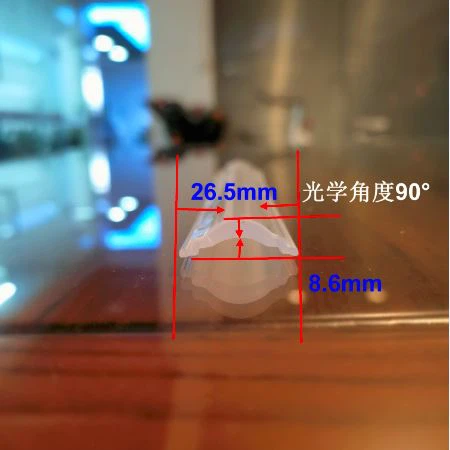
On the downside, polycarbonate is more prone to yellowing over time when exposed to UV light. This can affect the appearance and the light output of the lens. To counter this, manufacturers often add UV stabilizers during the production process.
Glass
Glass has been used for a long time in the lighting industry, and it still has its place when it comes to LED light lenses. Glass offers the highest level of optical clarity among all the materials. It allows light to pass through almost completely unobstructed, resulting in a very pure and bright light output.
Another advantage of glass is its chemical resistance. It's not affected by most chemicals, so it can be used in environments where there might be exposure to corrosive substances.
Glass is also very scratch - resistant compared to acrylic and polycarbonate. This means that it can maintain its appearance and optical performance for a long time, even with regular cleaning and use.
However, glass has some significant drawbacks. It's heavy, which can be a problem when it comes to installation and transportation, especially for large - scale lighting projects. It's also more brittle than plastic materials, so it's more likely to break if dropped or subjected to a sudden impact.
Silicone
Silicone is a relatively newer material in the LED light lens market, but it's gaining popularity due to its unique properties. Silicone has excellent flexibility, which allows it to be used in applications where a soft or bendable lens is required.
It has good heat resistance and can withstand high temperatures without degrading. This is crucial for high - power LEDs that generate a lot of heat. Silicone lenses can also maintain their shape and performance under extreme temperature variations.
In terms of optical properties, silicone can provide good light diffusion. It can help to create a more uniform light distribution, which is important for many lighting applications. You can see silicone used in products like LED Diffuser Strip.
One of the challenges with silicone is its cost. It's generally more expensive than other plastic materials. And it also requires special manufacturing processes, which can add to the overall production cost.
Conclusion
So, there you have it! These are the main materials that LED light lenses are usually made of, each with its own set of advantages and disadvantages. When choosing a material for an LED light lens, factors such as optical performance, durability, cost, and the specific application requirements need to be considered.
As a supplier of LED light lenses, I understand the importance of selecting the right material for your project. Whether you need a clear and lightweight acrylic lens, a strong and impact - resistant polycarbonate lens, a scratch - resistant glass lens, or a flexible silicone lens, we've got you covered.
If you're in the market for LED light lenses and want to discuss your specific needs, feel free to reach out. We can help you choose the best material and design for your lighting project.
References
- "Handbook of Optical Materials"
- "Plastics for Lighting Applications"