
Can Triproof Light Cover be used in a windy area?
As a supplier of Triproof Light Covers, I often get asked about the suitability of our products in various environments. One question that comes up frequently is whether Triproof Light Covers can be used in windy areas. In this blog post, I'll delve into this topic, exploring the factors at play and providing a comprehensive answer based on scientific principles and practical experience.
Understanding Triproof Light Covers
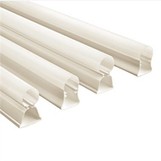
Before we discuss their usability in windy areas, let's first understand what Triproof Light Covers are. Triproof Light Covers, such as the Plastic Tri Proof Light and Tri Proof Lamp Cover, are designed to provide protection against three main elements: water, dust, and corrosion. They are commonly used in industrial settings, warehouses, car parks, and outdoor areas where lighting fixtures need to be shielded from harsh environmental conditions.


These covers are typically made from high - quality plastics or other durable materials, and they are engineered to have a high degree of ingress protection, often with an IP rating of IP65 or higher, like the IP65 Tri Proof Light Cover. The IP65 rating means that the cover is completely protected against dust ingress and can withstand low - pressure water jets from any direction without harmful effects.
Factors Affecting the Use of Triproof Light Covers in Windy Areas
When considering using Triproof Light Covers in windy areas, several factors need to be taken into account:
1. Wind Speed
The speed of the wind is a crucial factor. High - velocity winds can exert significant force on the light covers. If the wind speed is extremely high, it can cause the covers to vibrate, which may lead to loosening of the mounting fixtures over time. In extreme cases, very strong winds can even cause the covers to break or be blown off.
2. Design and Construction
The design and construction of the Triproof Light Cover play a vital role in its ability to withstand windy conditions. Covers with a streamlined design are less likely to catch the wind compared to those with a more bulky or irregular shape. Additionally, the strength of the material used and the quality of the joints and connections are important. A well - constructed cover with strong seams and a rigid structure will be more resistant to wind forces.
3. Mounting Method
The way the Triproof Light Cover is mounted is also critical. A secure mounting system that can firmly attach the cover to the lighting fixture and the installation surface is essential. If the mounting is weak or improper, the cover is more likely to be dislodged by the wind. For example, using heavy - duty screws or brackets and ensuring that they are tightened properly can enhance the stability of the cover in windy conditions.
4. Environmental Conditions
Apart from wind speed, other environmental conditions in the windy area can also affect the performance of the Triproof Light Cover. For instance, if the area is prone to sandstorms or debris carried by the wind, the cover may be subject to abrasion, which can damage its surface and reduce its protective capabilities over time.
Assessing the Suitability of Triproof Light Covers for Windy Areas
Based on the above factors, here are some guidelines to assess whether Triproof Light Covers can be used in a particular windy area:
1. Wind Speed Analysis
First, it's necessary to obtain data on the typical and maximum wind speeds in the area. This information can be sourced from local meteorological stations or historical weather records. If the average wind speed is relatively low (e.g., less than 30 miles per hour), most standard Triproof Light Covers should be able to withstand the wind forces without significant issues. However, for areas with high - wind zones where wind speeds regularly exceed 50 miles per hour, special consideration should be given.
2. Product Selection
When choosing a Triproof Light Cover for a windy area, opt for covers with a robust design and high - strength materials. Look for products that have been tested for wind resistance or have been designed specifically for outdoor and high - wind applications. Additionally, consider covers with a lower wind drag coefficient, which means they are less likely to be affected by the wind.
3. Installation and Maintenance
Proper installation is key. Follow the manufacturer's instructions carefully when mounting the Triproof Light Cover. Regular maintenance is also important. Periodically check the mounting fixtures for tightness and inspect the cover for any signs of damage or wear. If any issues are detected, take prompt action to repair or replace the cover or the mounting components.
Case Studies
To illustrate the practical application of Triproof Light Covers in windy areas, let's look at a few case studies:
Case Study 1: A Warehouse in a Coastal Area
A warehouse located near the coast experiences strong sea breezes and occasional high - wind storms. The warehouse management installed standard Triproof Light Covers with a basic mounting system. Initially, the covers seemed to work fine, but after a few months of exposure to the windy conditions, some of the covers started to vibrate, and the mounting screws became loose. To address this issue, they replaced the standard covers with covers designed for high - wind areas and upgraded the mounting system to a more secure one. After the replacement, the covers have been able to withstand the coastal winds without any further problems.
Case Study 2: An Outdoor Parking Lot in a Mountainous Region
An outdoor parking lot in a mountainous region is subject to gusty winds. The original Triproof Light Covers installed in the parking lot had a bulky design, which made them more susceptible to wind forces. As a result, several covers were blown off during a particularly strong wind event. The parking lot management then switched to streamlined Triproof Light Covers with a higher wind resistance rating. Since then, the covers have remained in place even during windy days.
Conclusion
In conclusion, Triproof Light Covers can be used in windy areas, but careful consideration of the wind speed, design, mounting method, and other environmental factors is necessary. By selecting the right product, ensuring proper installation, and conducting regular maintenance, these covers can provide reliable protection for lighting fixtures in windy conditions.
If you are considering using Triproof Light Covers in a windy area or have any questions about our products, we are here to help. Our team of experts can provide you with detailed information and guidance on product selection and installation. We invite you to contact us to discuss your specific requirements and start a procurement negotiation. We are committed to providing you with high - quality Triproof Light Covers that meet your needs and ensure the long - term performance of your lighting systems.
References
- "Handbook of Environmental Engineering: Volume 4 - Air Pollution," edited by Phillip C. Kao.
- "Building and Environmental Design for Wind - Sensitive Areas," a research paper from the International Association for Wind Engineering.
- Manufacturer's product specifications and technical data sheets for Triproof Light Covers.