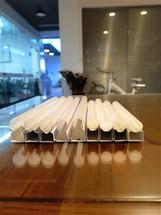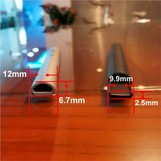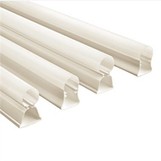

As a supplier of plastic light covers, I've often encountered a common question from customers: Do plastic light covers affect the brightness of the light? This is a crucial inquiry, especially for those who are looking to balance aesthetics and functionality in their lighting solutions. In this blog, I'll delve into the science behind this question and provide insights based on my experience in the industry.
Understanding the Basics of Light Transmission
To answer the question, we first need to understand how light interacts with plastic materials. When light hits a plastic light cover, several things can happen. Some of the light is reflected off the surface of the cover, some is absorbed by the plastic, and the rest is transmitted through it. The amount of light that is transmitted is what determines the brightness of the light that reaches the surrounding area.
The transmission of light through a plastic material is measured by its light transmittance, which is expressed as a percentage. A higher light transmittance means that more light can pass through the plastic, resulting in a brighter light output. Different types of plastics have different light transmittance properties. For example, clear acrylic plastics typically have a high light transmittance of around 92%, while some opaque or tinted plastics may have a much lower transmittance.
Factors Affecting Light Transmission in Plastic Light Covers
Material Type
As mentioned earlier, the type of plastic used in the light cover plays a significant role in its light transmittance. Clear plastics such as polycarbonate and acrylic are known for their high transparency and are often used in applications where maximum light transmission is desired. On the other hand, frosted or diffused plastics are designed to scatter light, which can reduce the overall brightness but create a more even and柔和的 lighting effect.
Thickness
The thickness of the plastic light cover also affects light transmission. Generally, thicker plastics absorb and scatter more light, resulting in a lower light output. For example, a thin plastic cover may allow 90% of the light to pass through, while a thicker version of the same plastic may only transmit 80% of the light. Therefore, when choosing a plastic light cover, it's important to consider the appropriate thickness based on the desired brightness and the specific lighting application.
Surface Finish
The surface finish of the plastic light cover can also impact light transmission. A smooth surface allows light to pass through more easily, while a rough or textured surface can scatter and absorb light. For instance, a glossy finish may provide higher light transmittance compared to a matte finish. However, a matte finish can be beneficial in reducing glare and creating a more comfortable lighting environment.
Color and Tint
Colored or tinted plastic light covers can significantly affect the brightness and color of the light. Darker colors absorb more light, resulting in a lower light output. For example, a black plastic cover may block most of the light, while a light - colored or transparent cover will allow more light to pass through. Tinted plastics can also alter the color of the light, which can be used for decorative or functional purposes.
Real - World Implications for Lighting Applications
In residential settings, plastic light covers are often used to enhance the aesthetic appeal of lighting fixtures. For example, a frosted Tube Light Plastic Cover can be used to soften the harsh light of a fluorescent tube, creating a more inviting and comfortable atmosphere. While the frosted cover may reduce the overall brightness slightly, the improved lighting quality can be well worth it.
In commercial applications, such as offices and retail stores, maintaining adequate brightness is crucial for productivity and visibility. In these cases, clear or high - transmittance plastic light covers are often preferred. A T8 Tube Cover made of clear polycarbonate can provide maximum light output while protecting the tube from dust and damage.
In industrial settings, where high - intensity lighting is required, the choice of plastic light cover becomes even more critical. A Lamp Cover Plastic with high heat resistance and excellent light transmittance is essential to ensure that the lighting system can operate effectively and safely.


Benefits of Using Plastic Light Covers Despite Potential Brightness Reduction
Even though plastic light covers may cause a slight reduction in brightness, they offer several benefits that make them a popular choice in many lighting applications.
Protection
Plastic light covers provide a physical barrier that protects the light source from dust, dirt, moisture, and physical damage. This can extend the lifespan of the light bulb or tube and reduce maintenance costs.
Safety
Some plastic light covers are designed to be shatter - resistant, which is especially important in areas where there is a risk of the light source breaking. In the event of a bulb explosion, the plastic cover can contain the fragments, preventing them from causing injury or damage.
Aesthetics
Plastic light covers come in a wide range of colors, shapes, and finishes, allowing for endless design possibilities. They can be used to enhance the visual appeal of a space and create a unique lighting effect.
Diffusion
Frosted or diffused plastic light covers can help to reduce glare and create a more even distribution of light. This can improve the comfort and visibility in a room, especially in areas where people are working or reading.
How to Minimize the Impact on Brightness
If you're concerned about the potential reduction in brightness caused by plastic light covers, there are several steps you can take.
Choose High - Transmittance Materials
Opt for clear plastics such as acrylic or polycarbonate with high light transmittance. These materials will allow more light to pass through, minimizing the impact on brightness.
Select the Right Thickness
Choose a plastic light cover with an appropriate thickness. Thinner covers generally have higher light transmittance, but they may also be less durable. Strike a balance between brightness and durability based on your specific needs.
Clean Regularly
Dirt and dust on the surface of the plastic light cover can reduce light transmission. Regularly clean the covers to ensure maximum light output.
Conclusion
In conclusion, plastic light covers can affect the brightness of the light, but the extent of the impact depends on various factors such as material type, thickness, surface finish, and color. While there may be a slight reduction in brightness, the benefits of using plastic light covers, including protection, safety, aesthetics, and diffusion, often outweigh this drawback.
As a supplier of plastic light covers, I understand the importance of providing high - quality products that meet the needs of our customers. Whether you're looking for a Tube Light Plastic Cover, a T8 Tube Cover, or a Lamp Cover Plastic, we have a wide range of options to choose from.
If you're interested in learning more about our plastic light covers or would like to discuss your specific lighting requirements, please don't hesitate to contact us. We're here to help you find the perfect lighting solution for your project.
References
- "Light Transmission in Plastics," Plastics Technology Handbook, 3rd Edition.
- "Understanding Lighting Materials," Lighting Research Center, Rensselaer Polytechnic Institute.
- "The Effects of Plastic Covers on Lighting Performance," Journal of Lighting Engineering.