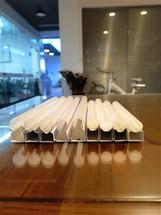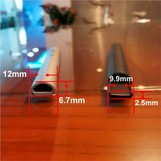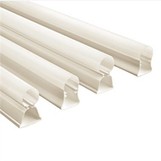

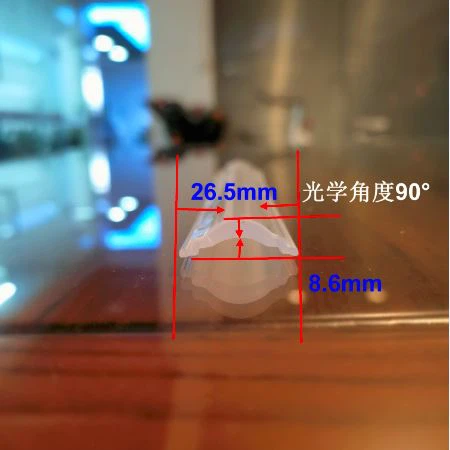
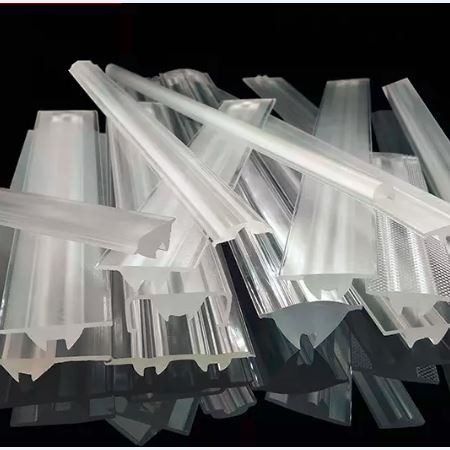
As a supplier of Extruded Linear Lenses, I understand the importance of maintaining these high - quality optical components. Extruded Linear Lenses are widely used in various lighting applications, including LED Diffuser Strip and LED Light Lens systems. Keeping them clean not only ensures optimal performance but also extends their lifespan. In this blog, I'll share some practical tips on how to clean an extruded linear lens effectively.
Why Cleaning is Necessary
Over time, extruded linear lenses can accumulate dust, dirt, fingerprints, and other contaminants. These impurities can significantly affect the light distribution and clarity of the lens. For example, dust particles can scatter light, leading to a loss of brightness and uniformity in the lighting output. Fingerprints, on the other hand, can leave oily residues that may cause glare or reduce the lens's transparency. By regularly cleaning the lens, you can maintain its optical properties and ensure that your lighting system performs at its best.
Pre - cleaning Preparation
Before you start cleaning the extruded linear lens, it's essential to take some preparatory steps. First, make sure that the power to the lighting system is turned off. This is a crucial safety measure to prevent any electrical accidents. Once the power is off, you can carefully remove the lens from the lighting fixture if possible. However, some lenses may be integrated into the fixture and cannot be easily removed. In such cases, you can clean the lens while it's still in place.
Next, gather the necessary cleaning supplies. You'll need a soft, lint - free cloth, such as a microfiber cloth. Microfiber cloths are ideal because they are gentle on the lens surface and can effectively pick up dust and dirt without scratching. You may also need a mild cleaning solution. A mixture of water and a small amount of mild dish soap can work well. Avoid using harsh chemicals or abrasive cleaners, as they can damage the lens's surface and affect its optical properties.
Cleaning Process
Dry Cleaning
If the lens has only a light layer of dust, you can start with dry cleaning. Gently blow away any loose dust particles using a can of compressed air. Hold the can about 6 - 8 inches away from the lens surface and use short, controlled bursts of air. This will help remove the majority of the dust without touching the lens directly.
After using compressed air, take your soft microfiber cloth and gently wipe the lens surface in a circular motion. Start from the center of the lens and work your way outwards. This will help prevent any dust or dirt from being pushed towards the edges and potentially getting trapped. Be careful not to apply too much pressure, as this could scratch the lens.
Wet Cleaning
If the lens is more heavily soiled or has fingerprints or other stubborn stains, you'll need to use a wet cleaning method. Dip the microfiber cloth into the mild cleaning solution and wring it out thoroughly. The cloth should be slightly damp, not soaking wet.
Gently wipe the lens surface with the damp cloth, following the same circular motion as in dry cleaning. Pay special attention to areas with stains or fingerprints. If necessary, you can use a little more pressure, but still be careful not to scratch the lens. After wiping the entire surface, use a dry part of the microfiber cloth to dry the lens completely. Make sure there are no streaks or water spots left on the lens.
Cleaning Hard - to - reach Areas
Some extruded linear lenses may have complex shapes or hard - to - reach areas, such as grooves or corners. For these areas, you can use a soft - bristled brush, like a makeup brush or a small paintbrush. Dip the brush into the cleaning solution and gently brush the hard - to - reach areas. Then, use the microfiber cloth to wipe away any loosened dirt or cleaning solution.
Post - cleaning Care
Once the lens is clean and dry, you can reinstall it in the lighting fixture if you removed it earlier. Make sure it is properly aligned and secured. If the lens was cleaned while still in place, you can turn the power back on and check the lighting system to ensure it is working correctly.
To prevent future dirt and dust accumulation, you can consider using a lens cover or protector. Some lenses come with built - in anti - static coatings that can help repel dust. If your lens doesn't have such a coating, you can look into applying an anti - static spray specifically designed for optical surfaces. This can help reduce the amount of dust that sticks to the lens.
Special Considerations for Different Materials
Extruded linear lenses can be made from different materials, such as acrylic or polycarbonate. Each material has its own unique properties and cleaning requirements.
Acrylic lenses are relatively soft and can be more prone to scratching. When cleaning acrylic lenses, it's especially important to use a gentle touch and avoid abrasive materials. Polycarbonate lenses, on the other hand, are more durable but may be more sensitive to certain chemicals. Always check the manufacturer's recommendations for cleaning specific to the material of your extruded linear lens.
Troubleshooting
If you notice any scratches or damage on the lens surface after cleaning, it's important to address it promptly. Minor scratches can sometimes be buffed out using a specialized lens polishing compound. However, if the scratches are deep or extensive, the lens may need to be replaced.
If the lens still looks dirty or has streaks after cleaning, it could be due to using the wrong cleaning solution or not drying the lens properly. In this case, you may need to repeat the cleaning process, making sure to use the correct cleaning supplies and techniques.
Conclusion
Cleaning an extruded linear lens is a relatively simple process that can have a significant impact on the performance and lifespan of your lighting system. By following the steps outlined in this blog, you can keep your Extruded Linear Lens clean and in optimal condition.
If you're in the market for high - quality extruded linear lenses or have any questions about lens maintenance, I encourage you to reach out for a procurement discussion. Our team of experts is ready to assist you in finding the right lens solutions for your needs.
References
- "Optical Component Cleaning Guide" by Lighting Industry Association
- Manufacturer's instructions for extruded linear lenses