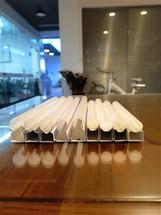

Plastic light covers are a common sight in both residential and commercial lighting fixtures. As a supplier of Plastic Light Cover, I often receive inquiries from customers about various aspects of these products, one of the most frequent questions being whether plastic light covers cause any electrical interference. In this blog post, I will delve into this topic and provide a comprehensive analysis based on scientific knowledge and practical experience.


Understanding Electrical Interference
Before we explore whether plastic light covers can cause electrical interference, it's essential to understand what electrical interference is. Electrical interference, also known as electromagnetic interference (EMI) or radio - frequency interference (RFI), refers to the disruption of the normal operation of an electrical or electronic device by an external electromagnetic field. This interference can manifest in various ways, such as distorted signals, reduced performance, or even complete failure of the device.
Electrical interference can be caused by a variety of sources, including power lines, motors, electronic circuits, and even natural phenomena like lightning. The key factor in causing interference is the presence of an electromagnetic field that can interact with the electrical signals in a device.
The Properties of Plastic Light Covers
Plastic light covers are typically made from materials such as polycarbonate, acrylic, or PVC. These plastics have several properties that are relevant to the question of electrical interference:
Electrical Insulation
One of the most important properties of plastics is their excellent electrical insulation. Unlike metals, which are good conductors of electricity, plastics do not allow the flow of electric current easily. This means that plastic light covers act as a barrier between the electrical components of the lighting fixture and the external environment, preventing the leakage of electrical current and reducing the risk of electrical shock.
Low Electromagnetic Absorption
Plastics also have a low electromagnetic absorption coefficient. This means that they do not readily absorb electromagnetic waves. As a result, plastic light covers are unlikely to act as antennas that can pick up and amplify electromagnetic interference from the surrounding environment.
Non - Magnetic
Most plastics used in light covers are non - magnetic. Magnetic materials can interact with magnetic fields and cause interference, but since plastics are non - magnetic, they do not contribute to magnetic interference.
Scientific Evidence on Plastic Light Covers and Electrical Interference
To date, there is no scientific evidence to suggest that plastic light covers cause significant electrical interference. In fact, many scientific studies have focused on the use of plastics in electrical and electronic applications precisely because of their low interference potential.
For example, in the field of telecommunications, plastic cables are widely used to transmit electrical signals because they have a low interference rate compared to metal cables. Similarly, plastic enclosures are used to house electronic devices to protect them from external interference.
In the case of lighting fixtures, plastic light covers are designed to provide a protective and aesthetically pleasing cover for the light source. They are not involved in the generation, transmission, or reception of electrical signals within the fixture. As long as the lighting fixture is properly designed and installed, the plastic light cover should not cause any electrical interference.
Practical Considerations in Lighting Installations
While plastic light covers themselves are unlikely to cause electrical interference, there are some practical considerations in lighting installations that could potentially lead to interference:
Poorly Designed Lighting Fixtures
If a lighting fixture is poorly designed, it may generate electrical interference on its own. For example, if the wiring in the fixture is not properly shielded, it can radiate electromagnetic waves that can cause interference with other electronic devices. In such cases, the problem is not with the plastic light cover but with the overall design of the fixture.
Improper Installation
Improper installation of lighting fixtures can also lead to electrical interference. If the fixture is not grounded correctly or if the electrical connections are loose, it can cause electrical arcing and generate interference. Again, this is not a problem with the plastic light cover but with the installation process.
Our Product Range and Quality Assurance
As a supplier of Plastic Light Cover, we offer a wide range of products to meet the diverse needs of our customers. Our Extruded Plastic Profile For Lighting Industry and T5 Tube Plastic Cover are made from high - quality plastics that are carefully selected for their electrical insulation and low interference properties.
We also conduct rigorous quality control tests on all our products to ensure that they meet the highest standards of safety and performance. Our plastic light covers are tested for electrical insulation, impact resistance, and light transmission to ensure that they are suitable for use in a variety of lighting applications.
Conclusion
Based on the scientific properties of plastics and the available evidence, plastic light covers do not cause significant electrical interference. Their excellent electrical insulation, low electromagnetic absorption, and non - magnetic properties make them a safe and reliable choice for lighting fixtures.
However, it's important to ensure that lighting fixtures are properly designed and installed to prevent electrical interference from other sources. As a trusted supplier of plastic light covers, we are committed to providing our customers with high - quality products that meet their needs and exceed their expectations.
If you are interested in purchasing our plastic light covers or have any questions about our products, please feel free to contact us. We look forward to discussing your requirements and providing you with the best solutions for your lighting needs.
References
- "Electrical Insulation Materials: Properties and Applications" by John W. McGaughey
- "Plastics in Electrical and Electronic Applications" by the Society of Plastics Engineers
- Scientific studies on electromagnetic interference in lighting fixtures published in peer - reviewed journals.