

Hey there! As a supplier of plastic light covers, I've seen my fair share of installations, both good and bad. In this blog, I'm gonna share some tips on how to check if a plastic light cover is properly installed.
1. Visual Inspection
First things first, take a good look at the light cover. It should fit snugly around the light fixture. Check for any visible gaps between the cover and the fixture. If there are gaps, it could let in dust, dirt, and even insects, which is definitely not what you want.
Also, make sure the cover is centered. An off - center cover not only looks bad but can also affect the way the light is distributed. Walk around the light and view it from different angles. If the cover is tilted or misaligned, it's a sign that it's not installed correctly.
2. Secure Attachment
The light cover should be firmly attached to the fixture. Most plastic light covers use clips, screws, or a snap - on mechanism. Give the cover a gentle tug (but not too hard, you don't wanna break it). If it moves or comes loose easily, then it's not properly attached.
For covers that use screws, check if all the screws are tightened. Loose screws can cause the cover to rattle or fall off over time. If you're using a snap - on cover, make sure all the snaps are engaged. Sometimes, one or two snaps might not be fully clicked into place, and that can lead to an unstable installation.
3. Sealing
A proper seal is crucial, especially in areas where moisture or humidity is a concern. For example, in bathrooms or kitchens. Check the edges of the cover to see if there's a tight seal. You can run your finger along the edge to feel for any air leaks.
If you suspect a poor seal, you can use a piece of thin paper. Place it between the cover and the fixture and then try to pull it out. If it slides out easily, there's likely a gap in the seal. In some cases, you might need to adjust the cover or add a sealant to ensure a watertight fit.
4. Compatibility
The plastic light cover needs to be compatible with the light fixture. Different fixtures have different shapes and sizes, and using an incompatible cover can lead to a bad installation. Before you start the installation, double - check that the cover you have is the right one for your fixture.
For instance, if you're using a T5 Tube Plastic Cover, make sure it's designed to fit your T5 tube. Using the wrong size can result in a cover that's too loose or too tight, both of which are problematic.
5. Functionality
After the installation, turn on the light. See if the light shines through the cover evenly. Uneven lighting could mean that the cover is distorted or not installed properly. Also, check if the cover gets hot. If it does, it might be blocking the heat dissipation of the light bulb, which can be a fire hazard.
6. Material Integrity
Inspect the plastic cover for any cracks or damage. Sometimes, during the installation process, the cover can get scratched or cracked. Even a small crack can compromise the integrity of the cover and reduce its lifespan. If you find any damage, it's best to replace the cover before using it.
7. Alignment with Surroundings
The light cover should also be in alignment with its surroundings. If it's part of a series of lights, make sure it's at the same height and orientation as the other covers. This gives a more professional and uniform look.
Additional Considerations for Different Types of Covers
Extruded Plastic Profiles
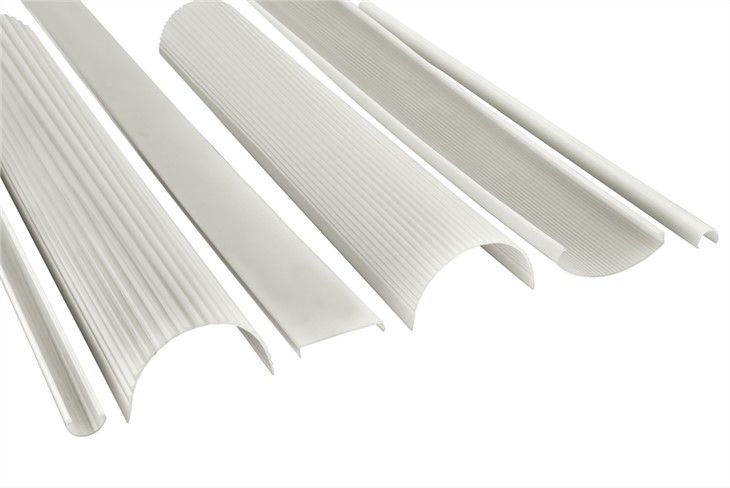
If you're using an Extruded Plastic Profile For Lighting Industry, the installation process might be a bit different. These profiles are often used for decorative or functional purposes, like channeling light.
Check if the profile is straight and properly aligned along the fixture. Any bends or kinks can affect the light distribution. Also, make sure it's securely attached. Some profiles might require adhesive or special mounting brackets.
Plastic Transparent Tubes
For Plastic Transparent Tubes, ensure that the tube is not pinched or deformed during installation. A deformed tube can create visual distortions in the light. Also, check the ends of the tube to make sure they're properly sealed to prevent dust and moisture from entering.
Conclusion
Checking if a plastic light cover is properly installed is not rocket science, but it does require attention to detail. By following these steps, you can ensure that your light cover is installed correctly, which not only looks good but also extends the life of your light fixture.
If you're in the market for high - quality plastic light covers, extruded plastic profiles, or plastic transparent tubes, we're here to help. Whether you're a homeowner doing a DIY project or a contractor working on a large - scale installation, we've got the products you need. Don't hesitate to reach out for more information or to start a purchase negotiation. We're always happy to chat and find the best solutions for your lighting needs.

References
- General knowledge from years of experience in the plastic light cover supply industry.


