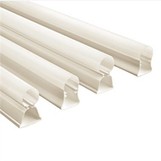

As a reliable supplier of Extruded Linear Lenses, I understand the paramount importance of ensuring the safety of using these products. In this blog, I will share some key strategies and considerations to guarantee the safe utilization of extruded linear lenses.
1. Material Selection and Quality Assurance
The foundation of safety starts with the materials used in the manufacturing of extruded linear lenses. High - quality materials are essential to withstand various environmental conditions and mechanical stresses.
We primarily use polycarbonate (PC) and acrylic for our extruded linear lenses. Polycarbonate is known for its excellent impact resistance, high heat resistance, and good optical clarity. Acrylic, on the other hand, offers superior optical properties, such as high light transmission and low haze.
Before production, we conduct rigorous material testing. We check for impurities, ensure the correct molecular weight, and verify the material's compliance with relevant industry standards. For example, we test the flammability of the materials according to UL 94 standards. This helps us select only the materials that meet the highest safety requirements.
When it comes to our products, you can explore our LED Light Lens, Lampshade PC Diffuser, and Plastic Diffuser Lens which are made from carefully selected materials.
2. Design for Safety
The design of extruded linear lenses plays a crucial role in their safe use. A well - designed lens should not only provide optimal optical performance but also minimize potential safety hazards.
- Mechanical Design: The lens should be designed to fit securely into the lighting fixture. We ensure that the dimensions of the lens are precise, so there is no risk of it coming loose during normal use. For example, we incorporate locking mechanisms or snap - fit designs in our lenses to prevent accidental dislodgment.
- Optical Design: Proper optical design helps to distribute light evenly and reduces the risk of glare. Glare can cause discomfort and even temporary vision impairment, especially in high - intensity lighting applications. Our engineers use advanced optical simulation software to optimize the lens design, ensuring that the light distribution pattern meets the safety requirements of different environments.
3. Installation and Handling
Correct installation and handling are vital for the safety of using extruded linear lenses.
- Installation Guidelines: We provide detailed installation instructions with each product. These instructions include information on how to properly align the lens, secure it in the fixture, and connect any electrical components if applicable. It is important for installers to follow these guidelines carefully to avoid any damage to the lens or create safety risks.
- Handling Precautions: During handling, the lenses should be protected from scratches, impacts, and exposure to harsh chemicals. We recommend using clean, soft gloves when handling the lenses to prevent fingerprints and other contaminants. Also, the lenses should be stored in a clean, dry environment away from direct sunlight and extreme temperatures.
4. Environmental Considerations
Extruded linear lenses are often used in a variety of environments, and it is essential to consider the environmental factors that may affect their safety.
- Temperature and Humidity: Extreme temperatures and high humidity can cause the lens material to expand, contract, or degrade over time. Our lenses are designed to withstand a wide range of temperature and humidity conditions. However, in applications where the environmental conditions are particularly harsh, additional protective measures may be required, such as using a protective housing.
- Chemical Exposure: The lenses may come into contact with various chemicals, such as cleaning agents or industrial solvents. We test our lenses for chemical resistance to ensure that they can withstand exposure to common chemicals without significant degradation. If the lenses are to be used in an environment with high chemical exposure, we can recommend special coatings or materials to enhance their chemical resistance.
5. Regular Maintenance and Inspection
Regular maintenance and inspection are necessary to ensure the continued safety of using extruded linear lenses.
- Cleaning: Over time, the lenses may accumulate dust, dirt, or other contaminants, which can affect their optical performance and potentially cause overheating. We recommend using a mild cleaning solution and a soft, lint - free cloth to clean the lenses. Avoid using abrasive cleaners or rough materials that may scratch the lens surface.
- Inspection: Periodic inspections should be carried out to check for any signs of damage, such as cracks, scratches, or discoloration. If any damage is detected, the lens should be replaced immediately to prevent safety issues.
6. Compatibility with Lighting Sources
The compatibility between the extruded linear lens and the lighting source is another important aspect of safety.
- Heat Dissipation: Different lighting sources generate different amounts of heat. Our lenses are designed to work efficiently with specific types of lighting sources, taking into account the heat dissipation requirements. If the lens is not compatible with the lighting source, it may overheat, leading to a shortened lifespan of the lens and potentially causing a fire hazard.
- Electrical Compatibility: In some cases, the lens may be part of an electrical system. It is essential to ensure that the lens is electrically compatible with the lighting fixture and other electrical components to prevent electrical shocks or short - circuits.
7. Training and Education
To ensure the safety of using extruded linear lenses, it is important to provide training and education to end - users, installers, and maintenance personnel.
- Product Training: We offer product training programs that cover the features, installation, and maintenance of our extruded linear lenses. These programs help users understand the proper use of the lenses and how to identify and address potential safety issues.
- Safety Awareness: We also promote safety awareness by providing safety information in our product literature and on our website. This includes information on potential hazards, safety precautions, and emergency procedures.
Conclusion
Ensuring the safety of using extruded linear lenses requires a comprehensive approach that encompasses material selection, design, installation, handling, environmental considerations, maintenance, compatibility, and training. As a supplier, we are committed to providing high - quality, safe products and supporting our customers with the necessary information and resources.
If you are interested in purchasing our extruded linear lenses or have any questions about their safety and application, please feel free to contact us for further discussion. We look forward to working with you to meet your lighting needs safely and effectively.


References
- ASTM International. (2023). Standards related to plastic materials for lighting applications.
- Underwriters Laboratories. (2023). UL 94 Flammability Standard.
- International Electrotechnical Commission (IEC). (2023). Standards for lighting safety and performance.