
Hey there! I'm a supplier of lamp cover plastic, and I know how important it is for these covers to be durable. After all, no one wants a lamp cover that cracks, fades, or gets damaged easily. In this blog, I'll share some tips on how to make lamp cover plastic more durable, based on my experience in the industry.
Choose the Right Plastic Material
The first step in making lamp cover plastic more durable is to choose the right material. There are several types of plastics that are commonly used for lamp covers, each with its own properties and advantages.
- Polycarbonate (PC): Polycarbonate is a popular choice for lamp covers because it is extremely strong, impact-resistant, and has good optical properties. It can withstand high temperatures and is also resistant to UV radiation, which means it won't yellow or fade over time. You can find PC used in many high-quality lamp covers, especially those for outdoor or industrial applications.
- Acrylic (PMMA): Acrylic is another common material for lamp covers. It has excellent clarity, which makes it ideal for applications where light transmission is important. Acrylic is also lightweight and relatively easy to fabricate. However, it is not as impact-resistant as polycarbonate and can scratch more easily.
- Polyethylene (PE): Polyethylene is a versatile plastic that is known for its flexibility and chemical resistance. It is often used for lamp covers in applications where durability and resistance to harsh environments are required. PE is also relatively inexpensive, making it a cost-effective option for some applications.
When choosing a plastic material for your lamp covers, consider the specific requirements of your application, such as the level of impact resistance, light transmission, and environmental conditions. You may also want to consult with a plastic supplier or manufacturer to get their recommendations based on your needs.
Improve the Manufacturing Process
The manufacturing process can also have a significant impact on the durability of lamp cover plastic. Here are some ways to improve the manufacturing process to make the plastic more durable:

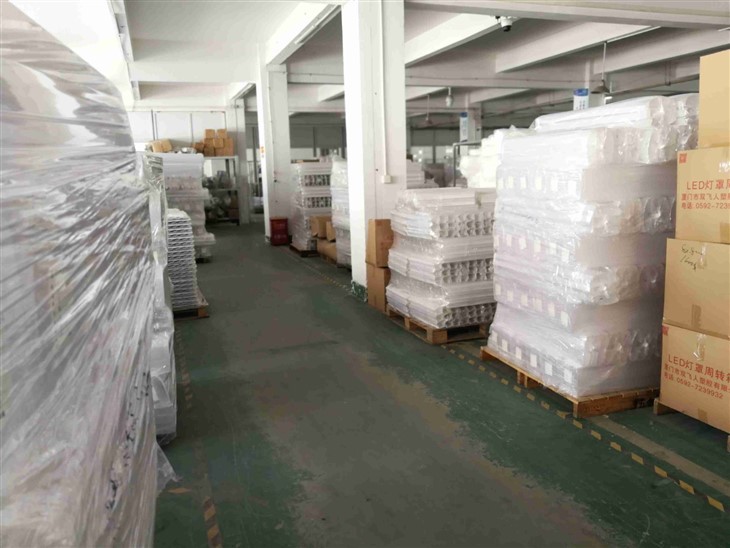
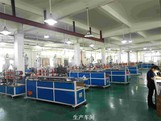
- Extrusion: Extrusion is a common manufacturing process for lamp cover plastic. During extrusion, the plastic is melted and forced through a die to create the desired shape. To ensure the durability of the plastic, it is important to control the extrusion process carefully. This includes maintaining the correct temperature, pressure, and speed to prevent defects such as voids, cracks, or uneven thickness.
- Molding: Injection molding is another popular manufacturing process for lamp cover plastic. In injection molding, the plastic is melted and injected into a mold cavity to create the desired shape. To improve the durability of the plastic, it is important to use high-quality molds and to control the injection process carefully. This includes ensuring that the mold is properly vented to prevent air bubbles and that the plastic is injected at the correct temperature and pressure.
- Finishing: After the lamp cover plastic is manufactured, it may be necessary to perform some finishing operations to improve its durability. This can include sanding, polishing, or applying a protective coating. A protective coating can help to prevent scratches, UV damage, and chemical corrosion, which can extend the lifespan of the lamp cover.
Enhance the Design
The design of the lamp cover can also play a role in its durability. Here are some design considerations to keep in mind:
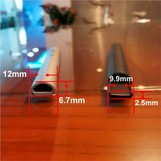
- Thickness: The thickness of the lamp cover plastic can affect its durability. A thicker plastic will generally be more durable than a thinner one, but it may also be heavier and more expensive. When designing the lamp cover, consider the specific requirements of your application and choose a thickness that provides the right balance between durability and cost.
- Shape: The shape of the lamp cover can also affect its durability. A simple, smooth shape will generally be more durable than a complex, irregular shape. This is because a complex shape can create stress concentrations, which can lead to cracks or other defects. When designing the lamp cover, try to keep the shape as simple as possible.
- Reinforcement: Adding reinforcement to the lamp cover plastic can also improve its durability. This can include adding ribs, bosses, or other structural features to the design. Reinforcement can help to distribute stress more evenly and prevent the plastic from cracking or breaking under load.
Provide Proper Maintenance
Finally, providing proper maintenance for the lamp cover plastic can also help to extend its lifespan. Here are some maintenance tips to keep in mind:
- Cleaning: Regular cleaning can help to remove dirt, dust, and other contaminants from the lamp cover plastic. Use a mild detergent and a soft cloth to clean the plastic, and avoid using abrasive cleaners or scrubbers, which can scratch the surface.
- Storage: When not in use, store the lamp cover plastic in a cool, dry place. Avoid exposing the plastic to direct sunlight or extreme temperatures, which can cause it to warp, crack, or fade.
- Inspection: Regularly inspect the lamp cover plastic for signs of damage or wear. If you notice any cracks, scratches, or other defects, replace the lamp cover as soon as possible to prevent further damage.
Conclusion
Making lamp cover plastic more durable is a combination of choosing the right material, improving the manufacturing process, enhancing the design, and providing proper maintenance. By following these tips, you can ensure that your lamp covers are strong, long-lasting, and able to withstand the rigors of everyday use.
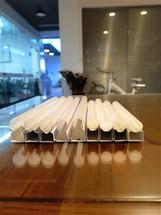
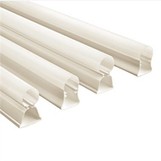
If you're in the market for high-quality lamp cover plastic, I'd love to hear from you. As a supplier, I can provide you with a wide range of options to meet your specific needs. Whether you're looking for T5 Tube Cover, Plastic Profile Extrusion Companies, or LED Light Plastic Cover, I can help. Contact me today to start the conversation and let's work together to find the perfect solution for your lamp cover needs.
References
- "Plastic Materials for Lighting Applications." Plastic Technology, [publication date].
- "Extrusion of Plastic Profiles." Modern Plastics, [publication date].
- "Injection Molding of Plastics." Polymer Engineering and Science, [publication date].