
Hey there! As a supplier in the PVC Pipe Extrusion game, I've seen firsthand how crucial it is to reinforce PVC pipes during the extrusion process. Stronger pipes mean better performance, longer lifespan, and happier customers. So, let's dive into how we can make those PVC pipes as tough as nails.


Understanding the Basics of PVC Pipe Extrusion
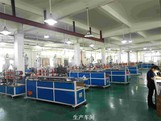
Before we get into reinforcement, let's quickly go over what PVC pipe extrusion is. It's a process where PVC resin is melted and forced through a die to create a continuous shape - in this case, a pipe. You can learn more about PVC Pipe Extrusion on our website.
The quality of the final product depends on a bunch of factors like the raw materials, the extrusion equipment, and the processing parameters. If you want to customize the extrusion process for specific needs, Custom Plastic Extrusion might be just what you're looking for.
Why Reinforce PVC Pipes?
PVC pipes are great. They're lightweight, corrosion - resistant, and cost - effective. But in some applications, like high - pressure water systems or underground installations, they need a bit of extra oomph. Reinforcement can improve the pipe's strength, stiffness, and resistance to external forces. This means fewer leaks, less damage, and lower maintenance costs in the long run.
Methods of Reinforcing PVC Pipes During Extrusion
1. Adding Fiberglass
Fiberglass is a popular choice for reinforcing PVC pipes. It's strong, lightweight, and has good chemical resistance. When added to the PVC resin during extrusion, it forms a composite material that's much stronger than plain PVC.
To add fiberglass, you first need to mix it with the PVC resin in the right proportion. The fiberglass strands act as a reinforcement network, distributing stress more evenly across the pipe. This helps the pipe withstand higher pressures and impacts.
However, there are a few things to keep in mind. Fiberglass can be abrasive, so it might wear out the extrusion equipment faster. You also need to make sure the fiberglass is well - dispersed in the resin to avoid weak spots in the pipe.
2. Incorporating Mineral Fillers
Mineral fillers like calcium carbonate or talc can also be used to reinforce PVC pipes. These fillers are relatively inexpensive and can improve the pipe's stiffness and dimensional stability.
When added to the PVC resin, mineral fillers increase the density of the material. This makes the pipe more resistant to deformation under load. They can also reduce the cost of production since they're cheaper than pure PVC resin.
But too much filler can make the pipe brittle. So, it's important to find the right balance. You need to experiment with different filler percentages to get the best combination of strength and flexibility.
3. Using Reinforcing Layers
Another way to reinforce PVC pipes is by adding reinforcing layers during extrusion. This can be done by co - extruding a layer of a stronger material, like a high - strength PVC compound or a different polymer, with the main PVC layer.
For example, you could co - extrude a layer of a fiber - reinforced PVC on the outside of the pipe. This layer acts as a protective shield, absorbing impacts and preventing damage to the inner layer.
Co - extrusion requires more complex equipment and a bit more know - how. You need to make sure the different layers bond well together to create a strong, unified pipe.
Process Considerations
Reinforcing PVC pipes during extrusion isn't just about adding the right materials. You also need to pay attention to the extrusion process itself.
The temperature is crucial. If it's too high, the reinforcing materials might break down or the PVC resin might degrade. If it's too low, the resin won't melt properly, and the reinforcement won't be evenly distributed.
The speed of extrusion also matters. A slower speed can give the reinforcing materials more time to disperse evenly in the resin. But it can also reduce production efficiency. So, you need to find the sweet spot.
Quality Control
Once the reinforced PVC pipes are extruded, it's important to test them to make sure they meet the required standards. You can perform tests like pressure tests, impact tests, and dimensional checks.
Pressure tests can determine how much pressure the pipe can withstand before it fails. Impact tests check the pipe's resistance to sudden shocks. Dimensional checks ensure the pipe has the right diameter, wall thickness, and length.
By regularly testing the pipes, you can catch any quality issues early and make adjustments to the extrusion process if needed.
Applications of Reinforced PVC Pipes
Reinforced PVC pipes have a wide range of applications. They're commonly used in water supply systems, especially in areas with high water pressure. They're also used in drainage systems, where they need to withstand the weight of soil and other materials.
In the construction industry, reinforced PVC pipes can be used for underground wiring and plumbing. They can also be used in industrial applications, like chemical processing plants, where they need to resist corrosion and high pressures.
If you're looking for something a bit more unique, Irregular Plastic Lampshade might be an interesting application of plastic extrusion technology.
Conclusion
Reinforcing PVC pipes during extrusion is a great way to improve their performance and durability. Whether you choose to add fiberglass, mineral fillers, or use reinforcing layers, each method has its own advantages and challenges.
As a PVC Pipe Extrusion supplier, we're here to help you find the best solution for your needs. If you're interested in learning more about our products or have any questions about the reinforcement process, don't hesitate to get in touch. We're always happy to discuss your requirements and see how we can work together to create high - quality, reinforced PVC pipes.
References
- "Plastic Extrusion Technology" by Allan A. Griff.
- "Handbook of PVC Formulating" by Edward J. Wickson.