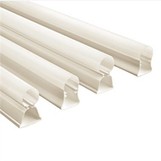

Troubleshooting problems with a Tri Proof Lamp Cover is an essential skill for both users and suppliers. As a Tri Proof Lamp Cover supplier, I've encountered a wide range of issues over the years and have developed effective strategies to address them. In this blog post, I'll share some common problems and how to troubleshoot them.


Understanding the Tri Proof Lamp Cover
Before we dive into troubleshooting, let's briefly understand what a Tri Proof Lamp Cover is. Tri Proof Lamp Covers are designed to provide protection against water, dust, and impact. They are commonly used in industrial, commercial, and outdoor settings where harsh environmental conditions are present. Our company offers a variety of Tri Proof Lamp Covers, including Plastic Tri Proof Light and IP65 Tri Proof Light Cover, which meet different requirements for waterproof, dustproof, and shockproof performance.
Common Problems and Troubleshooting
1. Water Ingress
Water ingress is one of the most common problems with Tri Proof Lamp Covers. If water enters the lamp cover, it can damage the internal components of the lamp, leading to reduced performance or even complete failure.
Possible Causes
- Sealing Issues: The seals around the lamp cover may be damaged or not properly installed. This can happen due to improper handling during installation or over time due to wear and tear.
- Cracks or Holes: There may be cracks or holes in the lamp cover itself, allowing water to enter. This can be caused by impact, thermal stress, or manufacturing defects.
Troubleshooting Steps
- Inspect the Seals: Check the seals around the lamp cover for any signs of damage or improper installation. If the seals are damaged, replace them with new ones. Make sure to clean the sealing surfaces before installing the new seals to ensure a proper seal.
- Check for Cracks or Holes: Examine the lamp cover carefully for any cracks or holes. If you find any, depending on the severity, you may be able to repair the crack using a suitable plastic repair kit. However, if the damage is extensive, it's recommended to replace the entire lamp cover. You can find high - quality replacement covers on our website Tri Proof Lamp Cover.
2. Dust Accumulation
Dust accumulation inside the lamp cover can reduce the light output and also cause overheating of the lamp components.
Possible Causes
- Poor Sealing: Similar to water ingress, poor sealing can allow dust to enter the lamp cover.
- High - Dust Environment: If the lamp is installed in an environment with a high concentration of dust, such as a construction site or a manufacturing plant, dust is more likely to accumulate inside the cover.
Troubleshooting Steps
- Clean the Lamp Cover: Remove the lamp cover carefully and clean it using a soft, dry cloth. For stubborn dust, you can use a mild cleaning solution, but make sure to dry the cover thoroughly before reinstalling it.
- Improve Sealing: Check and improve the sealing of the lamp cover as described in the water ingress section. You may also consider using additional sealing materials or gaskets to enhance the dust - proof performance.
3. Yellowing or Discoloration
Yellowing or discoloration of the Tri Proof Lamp Cover can affect the light quality and the overall appearance of the lamp.
Possible Causes
- UV Exposure: Prolonged exposure to ultraviolet (UV) light can cause the plastic material of the lamp cover to yellow or discolor.
- Chemical Exposure: Contact with certain chemicals, such as solvents or cleaning agents, can also lead to discoloration.
Troubleshooting Steps
- Reduce UV Exposure: If possible, relocate the lamp to an area with less direct sunlight or use UV - resistant lamp covers. Our Plastic Tri Proof Light is designed with UV - resistant materials to minimize yellowing and discoloration.
- Avoid Chemical Contact: Make sure to use only recommended cleaning agents and avoid contact with harsh chemicals. If the lamp cover has been exposed to chemicals, clean it immediately with a mild soap and water solution.
4. Impact Damage
Impact damage can occur due to accidental bumps or collisions, which can lead to cracks, holes, or deformation of the lamp cover.
Possible Causes
- Physical Contact: The lamp may be accidentally hit by objects, such as tools or equipment in an industrial setting.
- Vibration: Excessive vibration can also cause stress on the lamp cover, leading to damage over time.
Troubleshooting Steps
- Assess the Damage: Determine the extent of the impact damage. If the damage is minor, such as a small crack, you may be able to repair it as described earlier. However, if the lamp cover is severely deformed or has large holes, it's best to replace it.
- Reduce Vibration: If vibration is the cause of the damage, consider installing vibration - damping mounts or pads to reduce the stress on the lamp cover.
Preventive Maintenance
Preventive maintenance is key to avoiding problems with Tri Proof Lamp Covers. Here are some tips:
- Regular Inspections: Conduct regular inspections of the lamp covers to check for any signs of damage, wear, or other issues. This can help you detect problems early and take appropriate action.
- Proper Installation: Ensure that the lamp covers are installed correctly according to the manufacturer's instructions. This includes proper sealing, tightening of screws, and alignment.
- Cleaning: Keep the lamp covers clean by regularly removing dust and dirt. This not only improves the light output but also helps to prevent damage caused by dust accumulation.
Contact for Purchase and Further Assistance
If you are experiencing problems with your Tri Proof Lamp Covers or are looking to purchase high - quality lamp covers, we are here to help. Our company offers a wide range of Tri Proof Lamp Covers, including Plastic Tri Proof Light and IP65 Tri Proof Light Cover, which are designed to meet the highest standards of quality and performance.
Whether you need technical support, product recommendations, or want to discuss a bulk purchase, please feel free to reach out to us. We look forward to working with you to ensure your lighting needs are met.
References
- "Industrial Lighting Handbook", John Wiley & Sons, Inc.
- "Plastic Materials and Their Applications", Pearson Education, Inc.