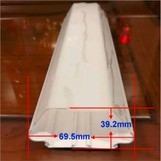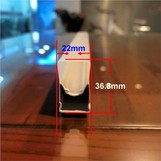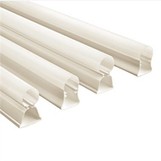

As a supplier of Triproof Light Covers, I've encountered numerous inquiries regarding the suitability of our products for marine environments. The marine setting presents a unique set of challenges that demand specialized lighting solutions. In this blog, I'll delve into the characteristics of Triproof Light Covers and assess their viability in marine applications.
Understanding Triproof Light Covers
Triproof Light Covers, as the name implies, are designed to offer protection against three main elements: water, dust, and corrosion. These covers are typically made from high - quality plastics such as polycarbonate or PVC, which provide excellent durability and resistance. The Tri Proof Light LED Cover is a prime example of our advanced offerings, engineered to safeguard LED lights in harsh conditions.
Key Features of Triproof Light Covers
- Waterproofing: Marine environments are constantly exposed to water, whether it's from waves, rain, or sea spray. Triproof Light Covers are sealed to prevent water ingress, ensuring that the internal components of the light remain dry. This is crucial as water can cause short - circuits, corrosion, and ultimately, the failure of the lighting system.
- Dust and Debris Resistance: The sea can carry a significant amount of dust, sand, and other debris. Triproof Light Covers act as a barrier, preventing these particles from entering the light fixture. This helps to maintain the light's performance and longevity, as dust accumulation can reduce the light output and cause overheating.
- Corrosion Resistance: Saltwater is highly corrosive, and it can quickly damage unprotected metal components. Triproof Light Covers are made from materials that are resistant to saltwater corrosion, ensuring that the lights can withstand the harsh marine environment for an extended period.
Challenges in Marine Environments
Marine environments are among the most challenging places to install lighting systems. The combination of high humidity, saltwater exposure, and extreme weather conditions can take a toll on any lighting equipment.
High Humidity
The humidity levels in marine areas are often very high. This can lead to condensation inside the light fixtures, which can damage the electrical components. Triproof Light Covers are designed to prevent condensation by providing a sealed environment. They also have good thermal insulation properties, which help to reduce the temperature difference between the inside and outside of the cover, minimizing the risk of condensation.
Saltwater Exposure
Saltwater is extremely corrosive. When saltwater comes into contact with metal parts of a light fixture, it can cause rust and corrosion, leading to the degradation of the fixture's performance. Our Plastic Waterproof Light and Plastic Tri Proof Light are made from plastic materials that are highly resistant to saltwater corrosion, making them ideal for marine use.

Extreme Weather Conditions
Marine areas are often subject to extreme weather conditions such as strong winds, storms, and hurricanes. Triproof Light Covers are designed to be robust and can withstand high - impact forces. They are also UV - resistant, which means they won't degrade or become brittle when exposed to sunlight for long periods.
Advantages of Using Triproof Light Covers in Marine Environments
Cost - Effectiveness
Compared to other specialized marine lighting solutions, Triproof Light Covers are relatively inexpensive. They offer a cost - effective way to protect your lighting systems in marine environments without sacrificing performance. Since they can extend the lifespan of the lights, you'll save money on replacement costs in the long run.
Easy Installation
Triproof Light Covers are easy to install. They can be retrofitted onto existing light fixtures, which means you don't have to replace your entire lighting system. This makes them a convenient option for both new and existing marine facilities.
Energy Efficiency
Many Triproof Light Covers are designed to work with LED lights, which are highly energy - efficient. By using LED lights with Triproof Light Covers, you can reduce your energy consumption and lower your electricity bills. This is especially important for marine facilities that operate 24/7.
Limitations and Considerations
While Triproof Light Covers offer many benefits in marine environments, there are also some limitations and considerations to keep in mind.

Temperature Range
Some Triproof Light Covers may have limitations in terms of the temperature range they can withstand. In extremely cold or hot marine environments, the performance of the cover may be affected. It's important to choose a cover that is suitable for the specific temperature conditions of your location.
Maintenance
Although Triproof Light Covers are designed to be low - maintenance, they still require some level of upkeep. Regular cleaning is necessary to remove salt deposits and other debris that may accumulate on the cover. This will help to maintain the cover's transparency and ensure optimal light output.
Real - World Applications
Triproof Light Covers have been successfully used in a variety of marine applications.
Shipyards
In shipyards, there is a constant need for reliable lighting. Triproof Light Covers protect the lights from the harsh conditions of the shipyard, including water, dust, and corrosion. They ensure that the workers have adequate lighting for their tasks, improving safety and productivity.
Offshore Platforms
Offshore platforms are exposed to some of the most extreme marine conditions. Triproof Light Covers are essential for protecting the lighting systems on these platforms. They help to maintain a well - lit environment, which is crucial for the operation and safety of the platform.
Ports and Harbors
Ports and harbors are busy places with a lot of activity. Triproof Light Covers are used to illuminate the docks, warehouses, and other areas. They provide reliable lighting that can withstand the harsh marine environment, ensuring the smooth operation of the port.
Conclusion
In conclusion, Triproof Light Covers are generally suitable for marine environments. Their waterproof, dust - resistant, and corrosion - resistant properties make them well - equipped to handle the challenges posed by the sea. However, it's important to consider the specific requirements of your marine application, such as temperature range and maintenance needs.

If you're in the market for Triproof Light Covers for your marine project, we'd love to hear from you. Our team of experts can help you choose the right product for your needs. Contact us to start a conversation about your lighting requirements and explore how our Triproof Light Covers can enhance the performance and longevity of your lighting systems in marine environments.

References
- "Marine Lighting Systems: Design and Installation Guidelines" - International Maritime Organization
- "Plastic Materials for Marine Applications" - Journal of Marine Engineering and Technology
- "LED Lighting in Harsh Environments" - Lighting Research Center