
Hey there! As a supplier of PVC Pipe Extrusion, I've been in the industry for quite some time, and I often get asked about the environmental impacts of what we do. So, I thought I'd take a deep dive into this topic and share what I've learned.
Raw Material Extraction and Production
Let's start at the beginning - the extraction and production of PVC (polyvinyl chloride). PVC is made from two main ingredients: chlorine, which is derived from salt, and ethylene, which comes from petroleum or natural gas. The process of extracting these raw materials can have significant environmental impacts.
For instance, the production of chlorine through the electrolysis of salt requires a large amount of energy. Most of this energy comes from non - renewable sources like coal and natural gas, which means a substantial carbon footprint. And when it comes to getting ethylene from petroleum, well, we all know the environmental issues associated with oil drilling. There's habitat destruction, water pollution, and of course, the release of greenhouse gases.
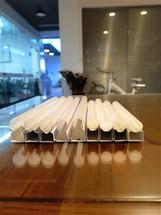
But it's not all doom and gloom. Some companies are looking into more sustainable ways of producing PVC. For example, there are efforts to use bio - based ethylene, which can reduce the reliance on fossil fuels. If you're interested in learning more about the extrusion process, you can check out Extrusion Plastic Profile.
PVC Pipe Extrusion Process
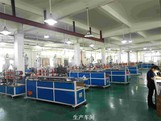
The actual extrusion process itself also has its environmental implications. In a PVC pipe extrusion plant, there are several energy - consuming steps. First, the PVC resin needs to be heated to a specific temperature so that it can be shaped into pipes. This heating process usually relies on electricity or natural gas, and as I mentioned earlier, a lot of our electricity still comes from non - renewable sources.
There's also the issue of waste generation. During the extrusion process, there can be some scrap material that gets produced. This could be due to mis - cuts, defective products, or material that's left over from the production run. If not managed properly, this waste can end up in landfills. However, many PVC pipe extrusion suppliers, including us, have recycling programs in place. We collect the scrap PVC and re - process it to be used in future production. This not only reduces waste but also saves on raw material costs.
If you want to know more about our PVC pipe extrusion capabilities, head over to PVC Pipe Extrusion.


Chemical Additives
PVC on its own isn't very useful. It needs a bunch of chemical additives to make it suitable for pipe production. These additives can include stabilizers, plasticizers, and lubricants. Some of these chemicals can be a bit of a problem for the environment.
For example, certain types of plasticizers, like phthalates, have been linked to environmental and health issues. Phthalates can leach out of PVC products over time, especially when they're exposed to heat or certain chemicals. They can end up in water bodies and soil, where they can have negative effects on aquatic life and plants.
Stabilizers are also important for PVC pipes, as they prevent the material from degrading when exposed to heat and light. However, some traditional stabilizers contain heavy metals like lead and cadmium. These metals are toxic and can accumulate in the environment, posing a risk to human health and wildlife.
Thankfully, the industry is moving towards more eco - friendly additives. There are now non - phthalate plasticizers and lead - free stabilizers available. At our company, we're committed to using these safer alternatives in our Custom Plastic Extrusion processes.
End - of - Life and Disposal
Once the PVC pipes reach the end of their useful life, how they're disposed of is crucial. If PVC pipes are sent to landfills, they can take a very long time to break down. And as they slowly degrade, there's a risk of the chemical additives leaching into the soil and groundwater.
Burning PVC pipes is also not a great option. When PVC is incinerated, it can release toxic chemicals like dioxins and furans. These are extremely harmful substances that can cause cancer and other serious health problems.
Recycling is the best solution. As I mentioned earlier, we have a recycling program for our scrap PVC. But there are also larger - scale recycling initiatives for end - of - life PVC pipes. Recycling PVC not only reduces waste but also saves energy compared to producing new PVC from raw materials.
Positive Environmental Aspects
Despite all the negative environmental impacts I've mentioned, there are also some positive aspects to PVC pipes. PVC pipes are very durable and have a long lifespan. This means that they don't need to be replaced as often as some other types of pipes, which can reduce the overall environmental impact in the long run.
They're also lightweight, which makes them easier to transport. Less weight means less fuel is needed for transportation, resulting in lower greenhouse gas emissions. And in terms of water distribution, PVC pipes are very efficient. They have a smooth interior surface, which reduces friction and allows water to flow more easily. This can save energy in water pumping systems.
Conclusion
In conclusion, the environmental impacts of PVC pipe extrusion are complex. There are definitely some areas where the industry needs to improve, such as reducing the use of non - renewable energy, phasing out harmful chemical additives, and improving end - of - life management. But at the same time, there are also positive aspects that can't be ignored.
If you're in the market for PVC pipes and are concerned about the environmental impact, we're here to help. We're constantly working on improving our processes to be more sustainable. Whether you need standard PVC pipes or Custom Plastic Extrusion solutions, we can provide high - quality products with a reduced environmental footprint. Get in touch with us to start a conversation about your procurement needs.
References
- "PVC: A Material for the Future?" - PlasticsEurope
- "Environmental Impact of Plastic Production and Disposal" - Journal of Environmental Science and Technology
- "Sustainable Alternatives in PVC Additives" - International Journal of Green Chemistry