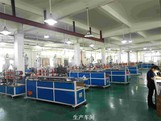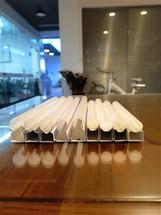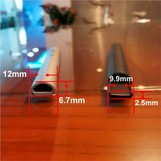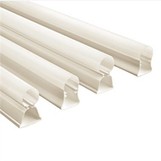

In the realm of lighting solutions, T8 fixture housing plays a pivotal role. As a dedicated supplier of T8 fixture housing, I've encountered numerous inquiries regarding its cost. Understanding the factors that influence the price of T8 fixture housing is crucial for both lighting designers and end - users. In this blog, I'll delve into the components that contribute to the cost and provide a comprehensive overview of what you can expect when purchasing T8 fixture housing.
Raw Material Costs
The first and most significant factor affecting the cost of T8 fixture housing is the raw material used. T8 fixture housings are commonly made from materials such as aluminum, plastic, and steel.
Aluminum is a popular choice due to its lightweight, corrosion - resistant, and excellent heat - dissipating properties. High - quality aluminum T8 fixture housings are often more expensive because of the cost of the raw aluminum itself and the processing required to shape it. Aluminum alloys with specific properties, like high strength - to - weight ratios, can further drive up the price.


Plastic T8 fixture housings, on the other hand, are generally more affordable. They are easy to manufacture and can be produced in large quantities at a relatively low cost. However, not all plastics are created equal. High - grade plastics that offer better durability, flame retardancy, and light diffusion properties will cost more than basic plastics. For example, polycarbonate, which is known for its impact resistance and clarity, is more expensive than common PVC plastics. You can find a variety of plastic - based options like Lighting Fixture Cover on our website.
Steel T8 fixture housings are less common but are used in applications where high strength and durability are required. The cost of steel depends on its type, with stainless steel being more expensive than regular carbon steel due to its corrosion - resistant properties.
Manufacturing Processes
The manufacturing process of T8 fixture housing also has a significant impact on its cost. There are several methods used to produce T8 fixture housings, including extrusion, injection molding, and stamping.
Extrusion is a common method for producing T8 fixture housings, especially those made of aluminum and plastic. In the extrusion process, the raw material is forced through a die to create a continuous shape. This process is efficient for producing long, uniform profiles. However, the cost of setting up an extrusion line can be high, and the cost of dies also adds to the overall expense. High - precision extrusion, which is required for fixtures with complex shapes or tight tolerances, will increase the price. Our High Quality Extrusion Lamp Cover is a result of a well - controlled extrusion process.
Injection molding is another popular manufacturing method, mainly used for plastic T8 fixture housings. In injection molding, molten plastic is injected into a mold cavity under high pressure. The advantage of injection molding is that it can produce complex shapes with high accuracy. However, the cost of mold design and production is substantial, especially for custom - designed fixtures.
Stamping is typically used for steel T8 fixture housings. It involves using a press to cut and shape the steel sheet into the desired form. The cost of stamping depends on the complexity of the design and the size of the production run. Small - scale stamping projects may have a higher per - unit cost due to the setup time and tooling costs.
Design and Customization
The design of the T8 fixture housing can greatly affect its cost. Standard, off - the - shelf designs are generally more affordable because they can be mass - produced, taking advantage of economies of scale. These standard designs have been optimized for efficient manufacturing and are readily available in the market.
However, if you require a custom - designed T8 fixture housing, the cost will increase significantly. Customization can include unique shapes, sizes, colors, or additional features such as mounting brackets or heat sinks. Designing a custom fixture housing involves additional engineering time, prototyping, and potentially new tooling. For example, if you need a T8 fixture housing with a specific light distribution pattern, the design process will be more complex, and the cost will reflect this. Our T8 Light Fixture Cover can be customized to meet different design requirements.
Quality and Certification
The quality of the T8 fixture housing is directly related to its cost. Higher - quality products are made with better raw materials, more precise manufacturing processes, and undergo more rigorous quality control. A high - quality T8 fixture housing will have better durability, performance, and aesthetics.
Certifications also play a role in determining the cost. T8 fixture housings that meet industry standards such as UL (Underwriters Laboratories), CE (Conformité Européene), or RoHS (Restriction of Hazardous Substances) are more expensive. These certifications ensure that the product meets safety, environmental, and performance requirements. Customers are often willing to pay more for certified products because they offer peace of mind and are more likely to be accepted in professional lighting projects.
Market Conditions
The cost of T8 fixture housing is also influenced by market conditions. Fluctuations in the prices of raw materials, such as aluminum, plastic, and steel, can have a direct impact on the final cost of the product. For example, if there is a shortage of a particular raw material, its price will increase, and this will be reflected in the price of T8 fixture housings made from that material.
Competition in the market also affects the price. In a highly competitive market, suppliers may offer lower prices to attract customers. However, in a niche market where there are fewer suppliers, the prices may be higher. Additionally, factors such as shipping costs, import/export duties, and currency exchange rates can also influence the final cost of T8 fixture housing, especially for international customers.
Pricing Range
Based on the factors mentioned above, the price of T8 fixture housing can vary widely. Basic plastic T8 fixture housings can cost as little as a few dollars per unit, especially for large - quantity orders of standard designs. On the other hand, high - end aluminum T8 fixture housings with custom designs and certifications can cost upwards of $20 or more per unit.
It's important to note that these are just rough estimates, and the actual price will depend on your specific requirements. When considering the cost of T8 fixture housing, it's essential to look beyond the initial price and consider the long - term value. A higher - quality, more expensive T8 fixture housing may save you money in the long run by reducing maintenance costs and providing better performance.
Conclusion
As a supplier of T8 fixture housing, I understand that cost is a major concern for our customers. By considering the factors such as raw material costs, manufacturing processes, design and customization, quality and certification, and market conditions, you can make an informed decision when purchasing T8 fixture housing.
If you're in the market for T8 fixture housing, I encourage you to contact us for a detailed quote. We can work with you to understand your specific needs and provide a solution that meets your budget and performance requirements. Whether you need a standard design or a custom - made T8 fixture housing, we have the expertise and resources to deliver high - quality products.
References
- "Lighting Handbook: Reference and Application", Illuminating Engineering Society
- Industry reports on lighting fixture manufacturing and market trends.