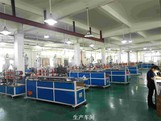

As a supplier of LED Light Lenses, ensuring the safety of underwater LED light lenses is of utmost importance. Underwater environments pose unique challenges that demand careful consideration in design, manufacturing, and installation. In this blog, I will share some key strategies and best practices to ensure the safety of underwater LED light lenses.
Material Selection
The choice of materials is the foundation for the safety of underwater LED light lenses. The materials must be able to withstand the harsh underwater conditions, including high pressure, corrosion, and temperature variations.
Resistance to Water and Corrosion
For underwater applications, materials with excellent water - resistance and corrosion - resistance are essential. Polycarbonate (PC) is a popular choice for LED light lenses. It has high impact strength and is resistant to water, chemicals, and UV radiation. Our LED Light Lens made of PC can effectively protect the LED light source from water ingress and corrosion, ensuring long - term stability and safety.
High - Temperature Resistance
Underwater LED lights may generate heat during operation. The lens material should be able to withstand high temperatures without deforming or losing its optical properties. PC has a relatively high heat - deflection temperature, which allows it to maintain its shape and performance even under elevated temperatures.
Design Considerations
A well - designed underwater LED light lens can significantly enhance safety.
Sealing Design
Proper sealing is crucial to prevent water from entering the LED light assembly. The lens should be designed to fit tightly with the light housing, and a reliable sealing mechanism should be used. For example, using rubber gaskets or O - rings can create a watertight seal. Our Extruded Linear Lens can be customized with a sealing groove to accommodate the sealing elements, ensuring a secure and waterproof connection.
Optical Design
The optical design of the lens affects not only the lighting performance but also the safety. A good optical design can distribute the light evenly, reducing glare and improving visibility. This is especially important in underwater environments where clear visibility is essential for safety. For example, our Lampshade PC Diffuser can effectively scatter light, providing a soft and uniform illumination.


Structural Integrity
The lens should have sufficient structural strength to withstand the pressure exerted by the water. The thickness and shape of the lens should be carefully designed based on the depth at which the LED light will be used. Reinforcing ribs or other structural features can be added to the lens to enhance its strength.
Manufacturing Quality Control
Strict quality control during the manufacturing process is necessary to ensure the safety of underwater LED light lenses.
Material Inspection
Before manufacturing, the raw materials should be thoroughly inspected to ensure they meet the required quality standards. This includes checking the chemical composition, mechanical properties, and optical properties of the material.
Production Process Monitoring
During the manufacturing process, every step should be closely monitored. For example, in the extrusion process of the lens, parameters such as temperature, pressure, and speed should be precisely controlled to ensure the consistency and quality of the product. Non - destructive testing methods, such as ultrasonic testing, can be used to detect any internal defects in the lens.
Final Product Testing
After production, the finished lenses should undergo a series of tests to ensure their safety and performance. These tests may include water - immersion tests to check for water tightness, pressure tests to simulate underwater conditions, and optical performance tests to measure the light distribution and intensity.
Installation and Maintenance
Proper installation and regular maintenance are also important for the safety of underwater LED light lenses.
Installation Guidelines
Clear installation guidelines should be provided to the users. The installation process should follow the correct procedures to ensure the lens is installed correctly and securely. For example, the sealing elements should be properly installed, and the electrical connections should be made in a waterproof manner.
Regular Maintenance
Regular maintenance can help detect and address potential safety issues early. This may include checking the sealing condition, cleaning the lens surface to remove dirt and algae, and inspecting the electrical components for any signs of damage.
Conclusion
Ensuring the safety of underwater LED light lenses requires a comprehensive approach that includes material selection, design, manufacturing, installation, and maintenance. As a supplier of LED Light Lens, we are committed to providing high - quality products that meet the strictest safety standards. Our products are designed and manufactured with the latest technologies and best practices to ensure reliable performance in underwater environments.
If you are interested in our underwater LED light lenses or have any questions about their safety and performance, please feel free to contact us for procurement and further discussion. We are looking forward to working with you to meet your lighting needs.
References
- "Plastic Materials for Optical Applications" by John Murphy.
- "Underwater Lighting Design and Installation Guide" published by the International Underwater Lighting Association.
- "Quality Control in Plastic Extrusion" by David Smith.