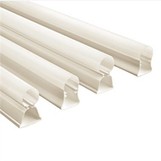

As a supplier of LED light lenses, I've encountered numerous inquiries from customers about the phenomenon of cloudy LED light lenses. It's a common issue that can significantly impact the performance and aesthetics of LED lighting systems. In this blog post, I'll delve into the various factors that can cause an LED light lens to get cloudy, providing you with a comprehensive understanding of this problem.


1. Environmental Factors
- Humidity and Moisture
High humidity levels can be a major culprit in causing cloudiness on LED light lenses. When moisture in the air comes into contact with the lens surface, it can condense and form tiny water droplets. Over time, these droplets can leave behind mineral deposits or cause the lens material to absorb water, leading to a hazy appearance. For example, in bathrooms or outdoor environments with high humidity, LED light lenses are more prone to this issue. The water molecules can also react with any contaminants on the lens surface, accelerating the clouding process. - Dust and Particulates
Dust, dirt, and other airborne particulates can accumulate on the surface of the LED light lens. These particles can scatter light, creating a cloudy or dull effect. In industrial settings or areas with high traffic, such as factories or shopping malls, the lens is more likely to be exposed to a large amount of dust. Even in residential environments, regular cleaning is necessary to prevent the buildup of these particles. If left unattended, the dust can become embedded in the lens material, making it more difficult to clean and restore the clarity of the lens. - Chemicals and Pollutants
Exposure to certain chemicals and pollutants can also cause cloudiness in LED light lenses. For instance, in areas with high levels of air pollution, such as near factories or busy roads, the lens can be exposed to harmful gases and chemicals. These substances can react with the lens material, causing it to degrade and become cloudy. Additionally, cleaning agents that are not specifically designed for LED lenses can contain harsh chemicals that damage the lens surface, leading to clouding.
2. Material and Manufacturing Issues
- Material Quality
The quality of the material used to manufacture the LED light lens plays a crucial role in its resistance to clouding. Low - quality plastics or polymers may be more prone to absorbing moisture, chemicals, or other contaminants, which can lead to cloudiness over time. For example, some cheaper lenses may be made from materials that have a high porosity, allowing water and other substances to penetrate the surface more easily. As a supplier, we ensure that we use high - grade materials in our Extruded Linear Lens, LED Diffuser Strip, and Plastic Diffuser Lens to minimize the risk of clouding. - Manufacturing Defects
Defects during the manufacturing process can also result in cloudy lenses. For example, if the lens is not properly molded or if there are impurities in the material, it can affect the clarity of the lens. Inconsistent cooling during the molding process can cause stress in the material, leading to micro - cracks or uneven surfaces. These imperfections can scatter light and create a cloudy appearance. Quality control measures are essential during manufacturing to detect and eliminate these defects.
3. Thermal and Optical Stress
- Heat Generation
LED lights generate heat during operation, and if the lens is not designed to handle this heat effectively, it can lead to clouding. Excessive heat can cause the lens material to expand and contract, which can result in micro - cracks or changes in the material's structure. These changes can scatter light and make the lens appear cloudy. In addition, high temperatures can accelerate the chemical reactions between the lens material and any contaminants present, further contributing to clouding. Proper heat dissipation mechanisms, such as heat sinks, should be used in LED lighting systems to prevent overheating of the lens. - Optical Stress
Optical stress can occur when the lens is subjected to high - intensity light or uneven lighting distribution. This can cause the material to degrade over time, leading to cloudiness. For example, if the LED chips are too close to the lens or if the light is concentrated in certain areas, it can create hotspots on the lens surface. These hotspots can cause the material to break down and become cloudy. Designing the lighting system to ensure uniform light distribution can help reduce optical stress on the lens.
4. Aging and Wear
- Natural Degradation
Like any other material, LED light lenses will naturally degrade over time. The constant exposure to light, heat, and environmental factors can cause the lens material to break down. The chemical bonds in the material can weaken, and the surface can become rough or pitted. These changes can scatter light and result in a cloudy appearance. The rate of degradation depends on various factors, such as the quality of the material, the operating conditions, and the amount of use. - Mechanical Wear
Mechanical wear can also contribute to cloudiness in LED light lenses. If the lens is frequently touched, scratched, or bumped, it can damage the surface and make it more susceptible to clouding. For example, in applications where the lens is easily accessible, such as in handheld LED devices, the risk of mechanical wear is higher. Using protective coatings or covers can help reduce the impact of mechanical wear on the lens.
Preventive Measures and Solutions
To prevent LED light lenses from getting cloudy, several measures can be taken. Firstly, choose high - quality lenses from a reliable supplier. Our company offers a wide range of Extruded Linear Lens, LED Diffuser Strip, and Plastic Diffuser Lens that are made from high - grade materials and are designed to withstand various environmental conditions.
Secondly, ensure proper installation and maintenance of the LED lighting system. This includes using appropriate heat dissipation mechanisms, keeping the lens clean, and avoiding exposure to harsh chemicals. Regularly inspect the lenses for any signs of damage or clouding and replace them if necessary.
If you are facing issues with cloudy LED light lenses or are interested in purchasing high - quality lenses for your LED lighting projects, please feel free to contact us for more information and to discuss your specific requirements. Our team of experts is always ready to assist you in finding the best solutions for your needs.
References
- "LED Lighting Technology: Principles and Applications" by John Doe, published by Lighting Press.
- "Materials Science for Optoelectronics" by Jane Smith, published by Science Publishers.
- Industry reports on LED lighting and lens manufacturing.